
Blogs
Why Am I Always Sleepy Despite Sleeping Enough?
You slept eight hours. Still yawning by eleven. Sound familiar? It isn't laziness. Sleep apnoea, some medicines, low mood, even a brain-based sleep...
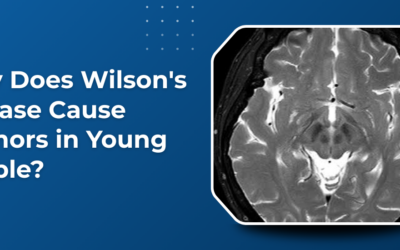
Why Does Wilson’s Disease Cause Tremors in Young People?
A tremor at 20 is unusual. Wilson's disease is one rare reason. It's inherited: the body can't clear copper, so it collects in the liver first and...
Can Heavy Alcohol Use Damage Your Nerves and Brain?
Yes, it can. Years of heavy drinking can wreck the nerves in your arms and legs, and it does the brain no favours either. As many as one in two...
What Are the Early Signs of Spinal Cord Compression?
Huntington's disease is passed down through families, and it works by slowly killing nerve cells in parts of the brain. It rarely announces itself....
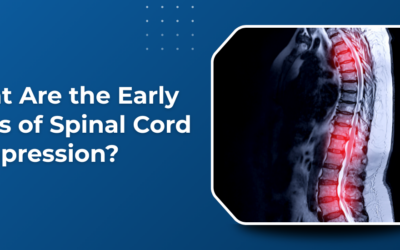
What Are the Early Signs of Spinal Cord Compression?
Picture a bone spur or a slipped disc leaning on the spinal cord. That's compression. The first things you notice are small: a coin that won't stay...
Why Do Muscle Twitches Happen and When to Worry?
That tiny flicker in your calf or eyelid has a name, fasciculation, and you've probably had one this week. Most of the time it's nothing at all....
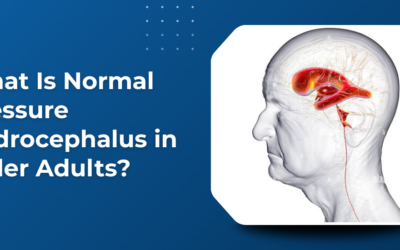
What Is Normal Pressure Hydrocephalus in Older Adults?
Normal pressure hydrocephalus (NPH) is what happens when cerebrospinal fluid collects inside the brain instead of draining away, and it mostly turns...
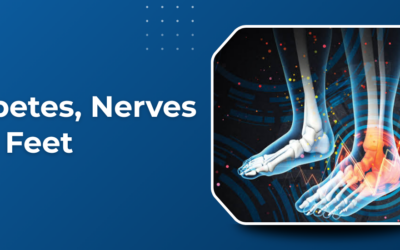
How Does Diabetes Damage Your Nerves and Feet?
High sugar attacks the nerves in your feet from two sides at once: it poisons the fibres themselves, and it squeezes shut the small arteries that...
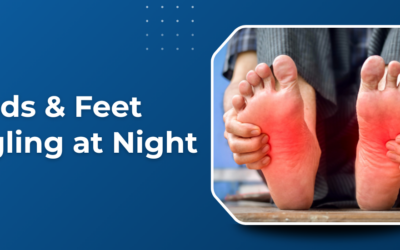
Why Do My Hands and Feet Keep Tingling at Night?
Nighttime tingling in the hands and feet usually comes from a nerve that's pinched, damaged, or short on vitamin B12. Carpal tunnel takes the hands,...
Vertigo After COVID-19: Why It Happens?
Post-COVID vertigo is most commonly vestibular neuritis inflammation of the balance nerve in the inner ear. BPPV is the second most frequent cause....
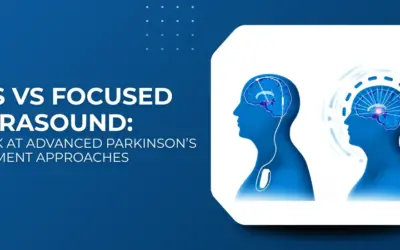
DBS vs Focused Ultrasound for Parkinson’s Tremor: Which Is Better?
Parkinson’s disease is a progressive neurological condition that affects movement due to changes in brain areas responsible for controlling...
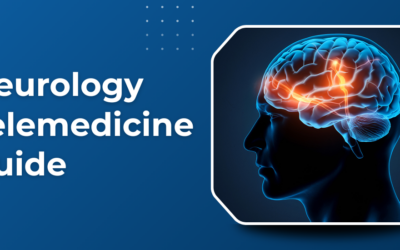
Telemedicine for Neurology: What Can Be Done Online?
Telemedicine handles follow-up care, medication adjustments, symptom reviews and report interpretation for many neurological conditions, while acute...
Why Do Parkinson’s Symptoms Get Worse Despite Medication?
Parkinson’s disease is a neurological condition that results in impaired motor abilities. Although it can be managed through medications at its...
Neurological Emergencies: Signs You Need the ER Now?
A neurological emergency is any sudden problem in the brain, spinal cord, or nerves that can cause permanent damage within minutes to hours. Signs...
Stroke Recovery: What Rehabilitation Really Looks Like?
Stroke rehabilitation combines physiotherapy, occupational therapy, and speech therapy beginning within 48 hours of a stable stroke and continuing...
Botox for Migraine: What to Expect from Treatment?
Botox for migraine (onabotulinumtoxinA) is FDA-approved for chronic migraine with fifteen or more headache days a month, with migraine features on...
Cervicogenic Headache: Is Your Neck Causing It?
Cervicogenic headache is a secondary headache caused by dysfunction in the upper cervical spine not the brain and typically presents as one-sided...
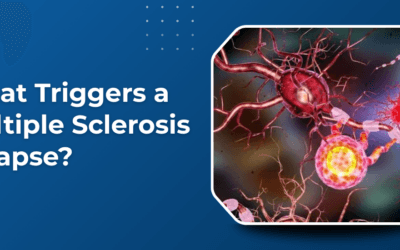
What Triggers a Multiple Sclerosis Relapse?
MS relapses happen when the immune system attacks the myelin sheath, causing neurological symptoms lasting at least 24 hours. Infections trigger up...
Can Chronic Migraine Lead to Permanent Brain Changes?
Chronic migraine is linked to measurable brain changes on imaging, though these don't represent damage in the way stroke or trauma does. White...
Parkinson’s Non-Motor Symptoms You Might Be Ignoring?
Non-motor symptoms of Parkinson's loss of smell, constipation, sleep disturbances, mood changes often appear years or decades before tremor or...

How Do You Care for a Parkinson’s Parent Without Burnout?
Caregiver burnout in Parkinson's happens when caregiving's physical, emotional, and financial demands outpace what one person can handle. It's tied...

Can Yoga Slow Parkinson’s Progression?
Yoga doesn't slow Parkinson's underlying neurodegeneration, but it does measurably improve motor symptoms, balance, and quality of life when...
Young Adults and Stroke: Why It’s Rising in India?
About one in seven stroke patients in India is now under 45, because high blood pressure, diabetes, tobacco use, poor sleep and chronic stress start...
Vertigo or Seizure? How to Tell the Difference After a Sudden Loss-of-Control Episode
Vertigo is a spinning or tilting sensation that leaves awareness completely intact. A seizure is a burst of abnormal electrical activity in the...
How to Manage and Reduce Migraine
Roughly 1 in 7 people worldwide live with migraine, and it is nothing like an ordinary headache: the pain usually sits on one side, throbs in rhythm...
Why Some Parkinson’s Patients Are Not Candidates for DBS Surgery
Deep brain stimulation has changed the outlook for a lot of Parkinson's patients. Tremor, stiffness, medication that stopped working as well as it...
Guillain-Barré Syndrome: When Weakness Becomes a Medical Emergency?
GBS becomes a medical emergency when ascending weakness reaches the trunk, causes breathing difficulty, or hits the nerves controlling heart rate...

Getting a Second Opinion Before DBS Surgery: What Questions Should You Ask?
A second opinion before DBS surgery is medically appropriate and expected by experienced surgical teams. DBS involves permanent electrode...
Movement Disorder Specialist vs General Neurologist: Who Should Treat Your Parkinson’s Disease?
Parkinson's is better managed by a movement disorder specialist, especially once symptoms progress. Specialists have extra fellowship training in...
What Is the Role of Physiotherapy and Speech Therapy in Parkinson’s Disease?
Physiotherapy and speech therapy in Parkinson's disease target specific motor and speech symptoms that medication alone doesn't fully address,...
What Conditions Can Cause Sudden Memory Loss in Adults Under 60?
Sudden memory loss in adults under 60 usually points to an acute event in the brain rather than typical age related decline, and the leading causes...
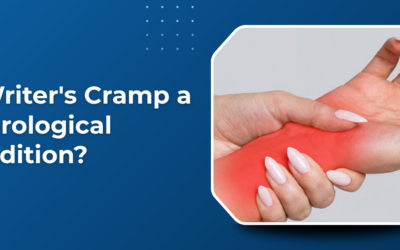
Is Writer’s Cramp a Neurological Condition?
Writer's cramp is a neurological condition classified as a focal task-specific dystonia, where abnormal signaling between the brain's motor circuits...

How Does Parkinson’s Disease Affect Driving and Employment in India?
Parkinson's disease affects driving and employment through its motor symptoms, tremor, rigidity, bradykinesia, and postural instability and through...
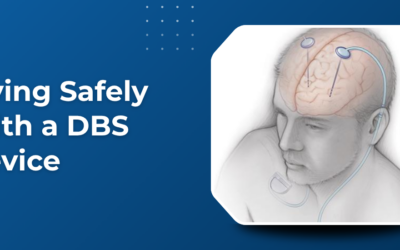
Is It Safe to Fly with a DBS Device Implanted?
Flying with a Deep Brain Stimulation implant is safe for most patients, but it requires specific preparation, particularly around airport security...
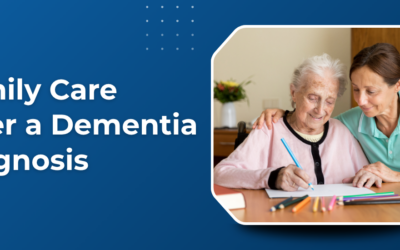
What Should Family Members Do After a Parent Is Diagnosed with Dementia?
After a dementia diagnosis, the immediate priorities for family members are: understanding the type and stage of the condition, getting a structured...
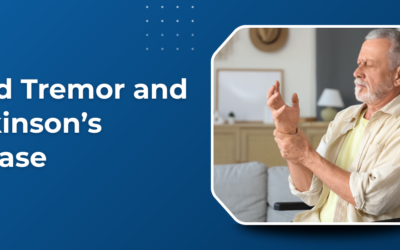
Is Hand Tremor Always A Sign Of Parkinson’s Disease?
Hand tremor is not always a sign of Parkinson's disease; it's just one of several possible causes, and essential tremor is actually more common...
How Does Stress Trigger or Worsen Migraine?
Stress triggers migraine by activating the hypothalamic-pituitary-adrenal axis, flooding the body with cortisol and adrenaline that lower the pain...
How Does Parkinson’s Disease Affect Sleep?
Parkinson's disrupts sleep through multiple, overlapping mechanisms: dopamine depletion, REM sleep behaviour disorder, and motor symptoms like...
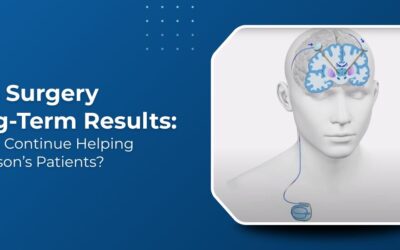
DBS Surgery After 10 Years of Parkinson’s: Does It Still Work?
Deep brain stimulation (DBS) is one of the most effective long-term options for advanced Parkinson's disease, but patients considering it often ask...
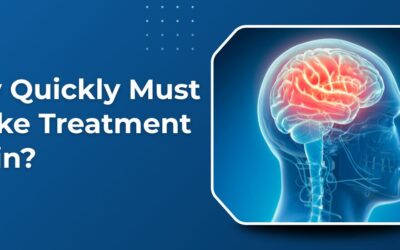
How Quickly Must Stroke Treatment Begin to Prevent Permanent Brain Damage?
During an ischaemic stroke, neurons die rapidly with every minute that blood flow is interrupted. The brain has no pain receptors to signal this...
What Is the Difference Between Normal Ageing and Early Dementia?
The brain changes with age in entirely normal ways, including slightly slower processing speed, occasional word-finding difficulty, and taking...
Can Dementia Be Prevented or Slowed Down?
Dementia cannot be fully prevented, but the 2020 Lancet Commission identified 12 modifiable risk factors that together account for up to 40% of all...
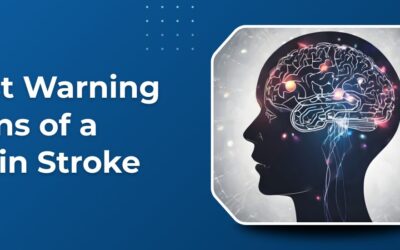
What Are the First Warning Signs of a Brain Stroke?
Every minute during a stroke, approximately 1.9 million neurons are lost. The brain does not send pain signals when its blood supply is cut off,...

How Much Does DBS Surgery Cost in India and What Affects the Price?
DBS surgery in India costs between Rs 8 lakh and Rs 20 lakh, with the device itself accounting for the largest share of the total bill. The wide...

Can Parkinson’s Patients Drive a Car in India?
Parkinson's disease doesn't automatically disqualify someone from driving in India, but it does change the conversation significantly. There's no...
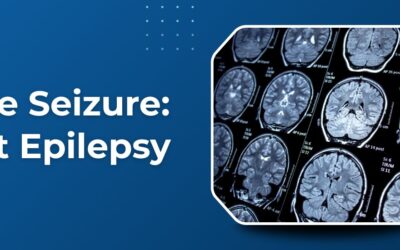
Does One Seizure Mean I Have Epilepsy?
One seizure doesn't mean epilepsy. Up to 10% of people worldwide have at least one seizure in their lifetime, but a single episode isn't enough to...
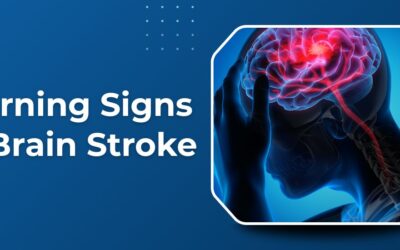
What Are the Warning Signs of a Brain Stroke?
A stroke causes sudden, focal neurological symptoms that worsen within minutes. The most recognised signs are facial drooping, weakness or numbness...
What Are the Different Types of Dementia and How Do They Differ?
Dementia is not a single disease but an umbrella term for conditions causing progressive cognitive decline severe enough to interfere with daily...
What Is the Difference Between Vertigo and Dizziness?
Vertigo and dizziness are not the same thing, even though most people use the terms interchangeably. Dizziness is a broad umbrella term covering any...
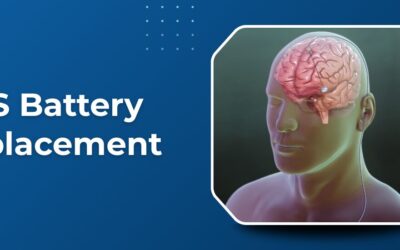
When Does a DBS Battery Need to Be Replaced?
A DBS battery, or implantable pulse generator (IPG), needs replacement every 3 to 5 years for non-rechargeable devices and up to 9 years for...

Can Parkinson’s Disease Affect People Under 50 in India?
Parkinson's disease does affect people under 50, and in India, early-onset cases account for roughly 10 to 20% of all Parkinson's diagnoses. When...
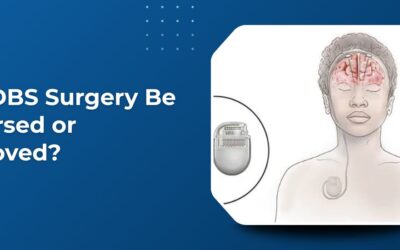
Can DBS Surgery Be Reversed or Removed at a Later Stage?
One of the most common concerns patients raise before agreeing to DBS surgery is whether the decision is permanent. Unlike ablative procedures such...
How Is Parkinson’s Disease Diagnosed Without a Single Definitive Test?
Unlike most medical conditions where a blood test or scan delivers a clear answer, Parkinson's disease is diagnosed entirely on clinical grounds....
What Is the Difference Between Parkinson’s Disease and Multiple System Atrophy?
Parkinson's disease and multiple system atrophy (MSA) both cause parkinsonism, but they are fundamentally different conditions with different...
Can Parkinson’s Disease Be Cured or Is It Only Manageable?
Parkinson's disease currently has no cure. Every treatment available, from levodopa to Deep Brain Stimulation, targets symptoms rather than the...
Is Parkinson’s Disease Hereditary or Caused by Lifestyle?
Parkinson's disease is neither purely genetic nor purely a lifestyle condition. Most cases result from a combination of genetic susceptibility and...
Can Parkinson’s Disease Be Prevented?
There is no guaranteed way to prevent Parkinson's disease, but research increasingly shows that the risk is not entirely out of your hands....
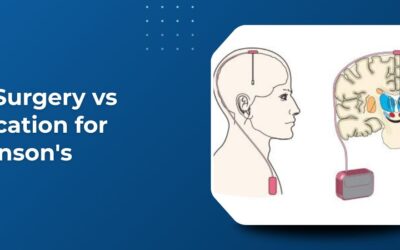
DBS Surgery vs Medication for Parkinson’s: How Do You Know Which Option Is Right?
For most Parkinson's patients, medication works well in the early years. Levodopa restores dopamine signalling reliably, and with the right dose...
Restless Leg Syndrome: What Is Causing That Urge to Move Your Legs at Night?
Restless leg syndrome (RLS) is a neurological sensorimotor disorder driven by dopamine pathway dysfunction in the brain, not a circulatory problem...
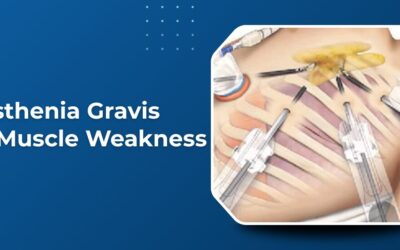
Myasthenia Gravis: Is Your Muscle Weakness Actually a Neurological Problem?
Myasthenia gravis is an autoimmune condition where the body produces antibodies that attack acetylcholine receptors at the neuromuscular junction,...
How Are Sleep Disorders Connected to Neurological Health?
Sleep disorders and neurological health share a deep, bidirectional connection. During deep sleep, the brain's glymphatic system clears neurotoxic...
Migraine vs Cluster Headache vs Tension Headache: A Neurologist’s Guide
Most people use the word "headache" for everything from a mildly stressful afternoon to an attack that puts them in bed for two days. The three most...
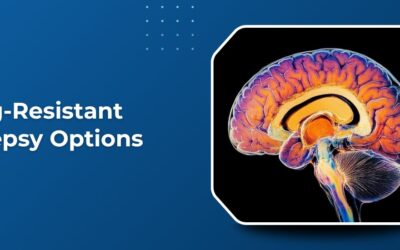
Drug-Resistant Epilepsy: Treatment Options Beyond Medication
Around 1 in 3 people with epilepsy keep having seizures despite trying multiple medications. Epilepsy is classified as drug-resistant when two...
Seizure First Aid: What to Do During an Epileptic Episode
During a convulsive seizure, the most important thing is keeping the person safe from injury: move away any hard or sharp objects, cushion their...
Epilepsy in Adults: Can You Develop Seizures Later in Life?
Adults can certainly develop epilepsy for the first time in their fifties, sixties, or even seventies. In older adults, new-onset seizures are often...
Guillain-Barré Syndrome Recovery Timeline
Guillain-Barré syndrome typically rolls through a three-phase pattern where symptoms get progressively worse over days to four weeks, plateau for...
Autoimmune Encephalitis: Symptoms That Mimic Mental Illness
Autoimmune encephalitis often begins with sudden personality changes, hallucinations, paranoia, or unusual behavior resembling schizophrenia or...
Multiple Sclerosis Treatment Advances in 2026
Heavy-hitting disease-modifying drugs like ocrelizumab and natalizumab have become the standard starting point in Bangalore hospitals by 2026,...

When Vertigo Is a Sign of Something Serious?
Vertigo paired with sudden killer headache, trouble talking or moving half your body, seeing double, or flat-out not being able to walk screams...
Home Remedies for Vertigo That Actually Work
The Epley maneuver knocks out BPPV-related vertigo in roughly 80 percent of cases when done correctly at home, making it the most effective...
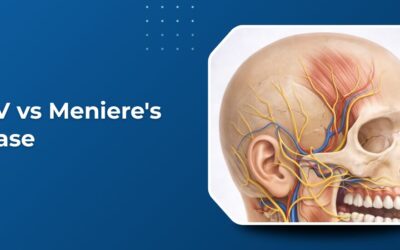
BPPV vs Meniere’s Disease: Understanding Different Types of Vertigo
BPPV causes sudden episodes of spinning that last less than a minute and are triggered by specific head movements such as rolling over in bed or...
Life Expectancy with Parkinson’s Disease: What to Expect in 2026
People with Parkinson's Disease can often live 15 to 25 years or more after diagnosis, and many have a life expectancy close to that of people...
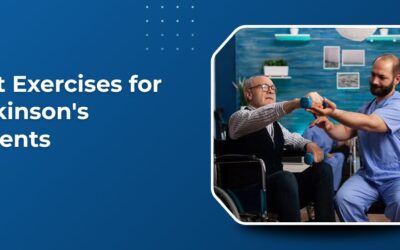
Best Exercises for Parkinson’s Disease Patients in Bangalore
The best exercises for Parkinson's Disease patients include Walking, Strength Training, Balance Training, Stretching, and Yoga. These exercises help...
Parkinson’s Disease vs Essential Tremor: How to Tell the Difference ?
Parkinson's tremor usually starts in one hand while you're sitting still with it resting on your lap, but essential tremor only shows up when you're...
DBS Surgery for Parkinson’s Disease: Success Rates and Recovery Timeline in India
Deep Brain Stimulation (DBS) for Parkinson's disease delivers strong results, with success rates of 85% to 90% in easing tremors, stiffness, and...
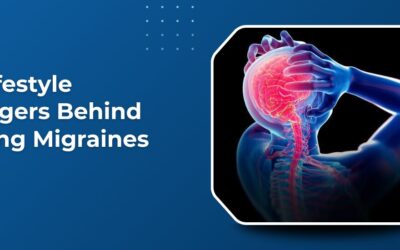
7 Lifestyle Triggers Behind Rising Migraines in Bangalore Professionals
You take a painkiller, feel better for a few hours, and then the headache returns. If this keeps happening, the issue may not be random. In many...
Migraine vs Tension Headache Differences
Migraine and tension headache are the two most common primary headache disorders in adults, but they differ in location, intensity, associated...
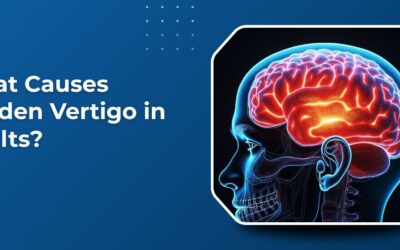
What Causes Sudden Vertigo in Adults?
Sudden vertigo is a false sensation of spinning or movement that comes on without warning, often lasting seconds to minutes but sometimes persisting...
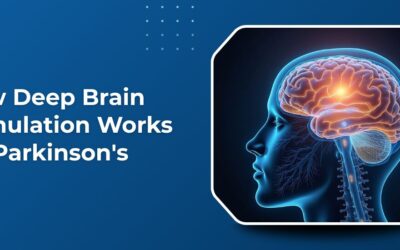
How Deep Brain Stimulation Works for Parkinson’s
Deep brain stimulation places thin electrodes into the subthalamic nucleus, where they deliver precise electrical pulses that override the abnormal...
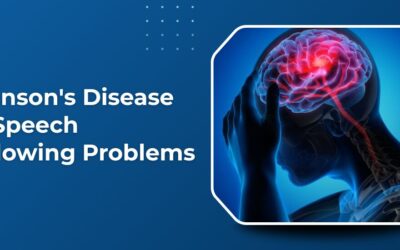
Parkinson’s Disease and Speech Swallowing Problems
Parkinson's disease causes both dysarthria and dysphagia due to muscle rigidity and reduced movement amplitude across oral and pharyngeal muscles....
Young-Onset Parkinson’s Disease
Young-onset Parkinson's disease is diagnosed when symptoms of parkinsonism begin between the ages of 21 and 50, accounting for roughly 5 to 10...
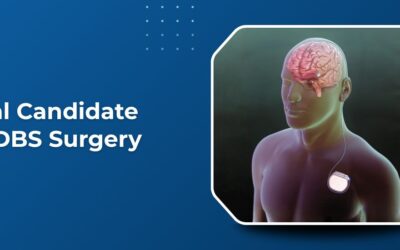
Ideal Candidate for DBS Surgery
The ideal candidate for Deep Brain Stimulation surgery is typically someone with Parkinson's disease of five or more years, whose body still...
Common Migraine Triggers to Avoid
Migraine triggers vary between patients, but the most effective way to identify them is keeping a headache diary that tracks food, sleep, stress...

Parkinson’s Muscle Stiffness and Rigidity
Rigidity is one of three cardinal motor symptoms of Parkinson's disease, and in clinical practice it often turns out to be the most functionally...
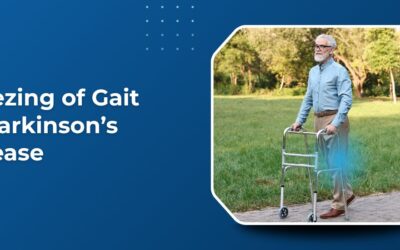
Freezing of Gait in Parkinson’s Disease
Freezing of gait is a Parkinson's symptom where the feet suddenly stop responding, even though the person intends to keep walking. It tends to...
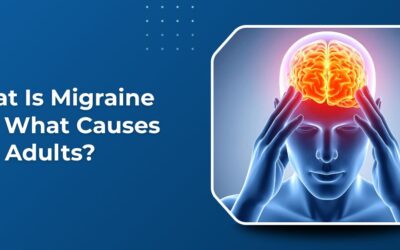
What Is Migraine and What Causes It in Adults?
Migraine is a neurological condition, not just a bad headache, and it shows up differently in different people, sometimes as throbbing head pain...

5 Stages of Parkinson’s Disease
Parkinson's disease is a progressive neurological condition that advances through identifiable stages, each marked by increasing changes in motor...
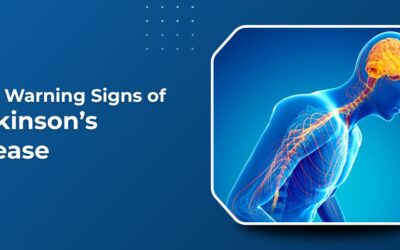
Early Warning Signs of Parkinson’s Disease
Parkinson's disease is a progressive neurological condition that affects movement, muscle control, and balance. Symptoms often show up years before...

Complications of Untreated Parkinson’s Disease
The complications of untreated Parkinson’s disease take hold quietly, often years before a diagnosis is made. A slight hand tremor, morning...

Parkinson’s vs Essential Tremor
Introduction When a person develops shaking in the hands, the immediate fear is often Parkinson’s disease. But here’s the clinical reality: not...