

Seizure Treatment in Bangalore
The brain runs on a constant, controlled rhythm of electrical activity. A seizure happens when that rhythm is suddenly disrupted, causing a surge of abnormal electrical signals that can affect movement, awareness, sensation, or behaviour, sometimes for a few seconds, sometimes longer. According to the World Health Organization, epilepsy affects around 50 million people globally, making it one of the most common neurological conditions, yet still one of the most misunderstood.
Dr. Guruprasad Hosurkar, an acclaimed neurologist in Bangalore, explains, “A seizure is a symptom, not a diagnosis in itself. Getting to the actual cause, rather than simply controlling the episode, is what leads to real, lasting improvement for the patient.”
If you or a family member has experienced a seizure, expert help is available. Dr. Guruprasad Hosurkar offers advanced seizure and epilepsy treatment in Bangalore. With over 22 years of clinical experience, he has extensive expertise in diagnosing and managing disorders of the brain and nervous system.
Widely regarded as one of the best neurologists in Bangalore, he is particularly skilled at identifying the underlying cause of seizure activity, whether it stems from a structural brain issue, a metabolic imbalance, or an underlying seizure disorder like epilepsy. His approach combines precise diagnostics with individualised treatment plans that address the cause, not just the episode.
Which types of seizures need specialist attention? Let’s look at what Dr. Hosurkar treats.
Types of Seizures Dr. Guruprasad Treats
As an experienced neurologist in Bangalore, Dr. Hosurkar manages the full spectrum of seizure presentations:
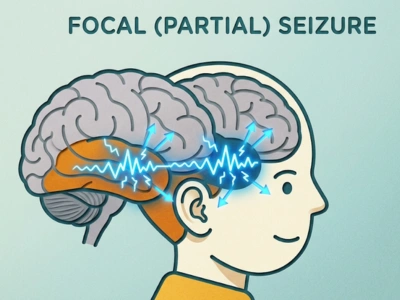
Focal (Partial) Seizures
Originating in one specific area of the brain, sometimes with the person fully conscious and aware throughout the episode.
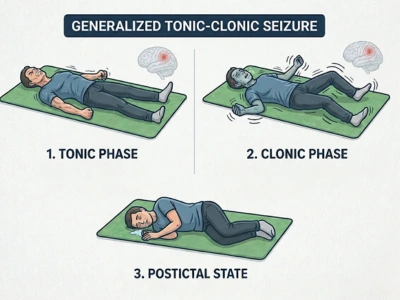
Generalized Tonic-Clonic Seizures
The most recognizable type, involving stiffening of the body followed by rhythmic jerking movements across both sides of the brain.

Absence Seizures
Brief lapses in awareness, often mistaken for daydreaming or distraction, most common in children.

Febrile Seizures
Occurring in young children, usually triggered by a rapid spike in fever.

Myoclonic Seizures
Sudden, brief muscle jerks, often occurring in clusters, without full loss of consciousness.
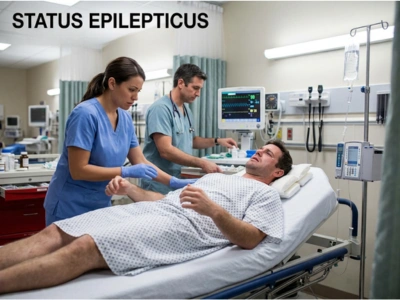
Status Epilepticus
A medical emergency involving a seizure lasting more than 5 minutes, or repeated seizures without full recovery in between.
Recognising your symptoms in this list is the first step toward an accurate diagnosis. Connect with a specialist for a proper evaluation.
Not sure what’s behind your symptoms? A proper evaluation is the first step to lasting relief.
Right treatment begins with the right diagnosis. Here’s how Dr. Hosurkar identifies the exact cause of your seizures.
How Dr. Guruprasad Diagnoses Seizures
Dr. Hosurkar follows a structured, evidence-based diagnostic process to deliver accurate seizure treatment in Bangalore:

Detailed Clinical History
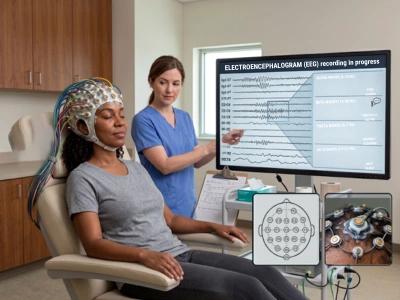
EEG (Electroencephalogram)
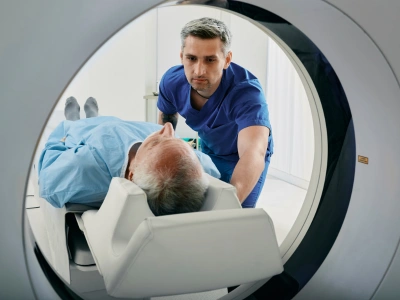
MRI or CT Imaging

Blood Investigations
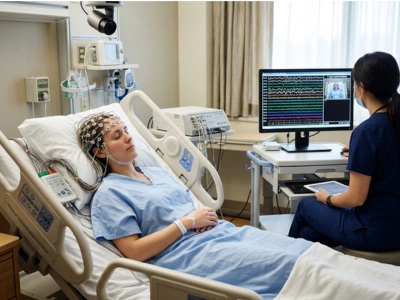
Video EEG Monitoring
Once the cause is clear, treatment is tailored to you. Let’s explore the available options.
Treatment Options for Seizures by Our Neurologist
Dr. Hosurkar designs individualised treatment plans rather than one-size-fits-all prescriptions:
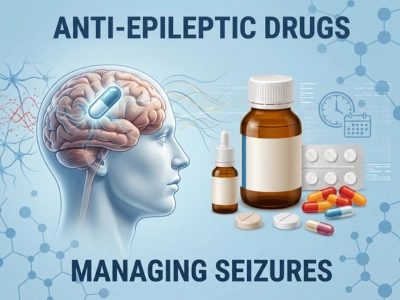
Anti-Epileptic Medication (AEDs)
The first line of treatment for most patients, with dosage carefully adjusted to control seizures while minimizing side effects.

Combination Drug Therapy
For patients who don’t respond adequately to a single medication, tailored combinations to achieve better seizure control.

Trigger and Lifestyle Management
Addressing sleep patterns, stress levels, and other modifiable factors known to lower seizure threshold.

Ongoing Monitoring and Dose Optimization
Regular follow-up to adjust medication as seizure patterns change over time, minimizing long-term side effects.
Recognising your symptoms in this list is the first step toward an accurate diagnosis. Connect with a specialist for a proper evaluation.
Struggling with seizures that haven’t responded to treatment elsewhere? Get a plan built around your specific condition.
Why Choose Dr. Guruprasad Hosurkar for Seizure Treatment in Bangalore
With so many specialists in the city, what makes Dr. Hosurkar the right choice? Here’s what sets his care apart.
22+ Years of Clinical Experience
Over two decades of clinical expertise in neurology, with thousands of patients treated for seizure and epilepsy-related conditions
Specialist in Complex, Overlapping Cases
Skilled at identifying seizures linked to underlying conditions like stroke, brain injury, or metabolic disorders, not just standalone epilepsy.
Advanced Training
Diplomate of National Board in Neurology, with specialised international training from Germany.
Root-Cause Treatment Philosophy
Focus on treating the underlying cause of seizures, not just suppressing episodes with medication.
Care for Referred and Difficult Cases
Trusted by physicians across Bangalore for patients whose seizures haven’t responded well to treatment elsewhere.
Compassionate, Personalised Care
Every treatment plan is built around your specific seizure type, lifestyle, and long-term goals.

Getting the right diagnosis early can save years of trial and error. Get in touch with a trusted specialist now.
Common Triggers of Seizures
Understanding what triggers seizures can help prevent them from recurring. Let’s look at the common causes.
Seizures can arise from a combination of factors:

Missed or Inconsistent Medication
Skipping doses or irregular timing is one of the most common causes of breakthrough seizures in diagnosed patients.

Sleep Deprivation
Irregular or insufficient sleep significantly lowers the seizure threshold in many patients.

Stress and Anxiety
Heightened stress levels are a well-documented trigger for seizure activity.

Alcohol Use or Withdrawal
Both active use and sudden withdrawal can provoke seizures in susceptible individuals.

Flashing or Flickering Lights
Relevant in photosensitive epilepsy, a specific subtype triggered by visual stimuli.

Illness, Infection, or Fever
Especially significant in children, where fever-related seizures are common.

Hormonal Changes
Fluctuations, particularly around the menstrual cycle, can influence seizure frequency in some patients.
Early diagnosis makes all the difference. Talk to a specialist now. re? Book a consultation with a trusted neurologist in Bangalore.
FAQs
1. What is the first sign of a seizure??
Early signs vary by seizure type but can include a sudden strange sensation (aura), confusion, staring spells, unusual repetitive movements, or a brief loss of awareness. Some seizures occur with no warning signs at all.
2. Can seizures be cured completely?
Some seizure disorders go into long-term remission, especially with early and consistent treatment, while others require ongoing medication management for life. A proper diagnosis helps determine the realistic long-term outlook for each individual patient.
3. What should you do if someone has a seizure?
Stay calm, clear the area to prevent injury, place them on their side if possible, and time the episode. Do not restrain them or put anything in their mouth. Seek emergency care if the seizure lasts more than 5 minutes or if it’s their first known seizure.
4. How long does someone need to take seizure medication?
This depends on the type of seizure disorder, how well it responds to treatment, and how long the person has remained seizure-free. Some patients may eventually taper off medication under close medical supervision, while others require long-term treatment.
5. Can a person with seizures live a normal life?
Yes, in most cases. With the right medication, consistent trigger management, and regular follow-up care, the majority of patients go on to lead full, active lives with minimal disruption from their condition.
Disclaimer: The information shared in this content is for educational purposes and not for promotional use.