
Neurological Sleep Disorders Treatment in Bangalore
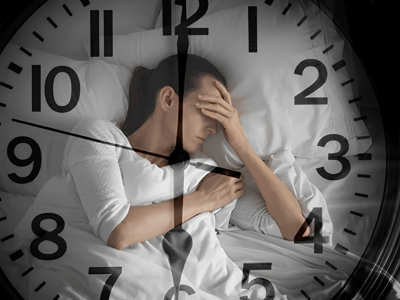
Sleep is when the brain repairs itself, consolidates memory, and regulates the hormones that govern mood, metabolism, and immunity. When a neurological condition interferes with this process, the impact extends well beyond fatigue, raising the risk of stroke, hypertension, memory decline, and depression. According to the National Institute of Neurological Disorders and Stroke, sleep affects nearly every tissue and system in the body, which is why persistent sleep problems warrant timely medical attention.
Dr. Guruprasad Hosurkar, an acclaimed neurological sleep disorder specialist in Bangalore, explains, “Sleep disorders are rarely just about sleep. They often signal an underlying neurological imbalance. When we treat the root cause rather than only the symptom, patients see lasting improvement in both sleep quality and overall brain health.”
If disturbed sleep has become your routine, expert help is available. Dr. Guruprasad Hosurkar offers advanced neurological sleep disorders treatment in Bangalore. With over 22 years of experience, he has immense expertise in diagnosing and treating disorders of the brain and nervous system.
Widely regarded as one of the best neurologists in Bangalore, he is particularly skilled at identifying the neurological roots of poor sleep, from dopamine-related conditions like restless legs syndrome to REM sleep behaviour disorder, an early marker of Parkinson’s disease. His approach combines precise diagnostics with individualised treatment plans that address the cause, not just the symptoms.
Which sleep conditions fall under neurological care? Let’s look at the disorders Dr. Hosurkar treats.
Types of Neurological Sleep Disorders Treated by Dr. Guruprasad Hosurkar
As an experienced neurologist in Bangalore, Dr. Hosurkar manages the full spectrum of sleep disorders that have a neurological basis:
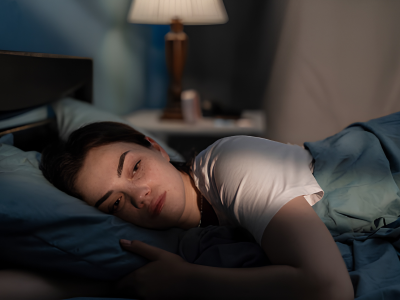
Insomnia
Persistent difficulty falling or staying asleep, often linked to anxiety, chronic pain, or neurological dysfunction.
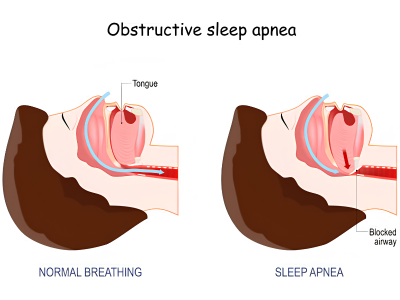
Obstructive and Central Sleep Apnea
Repeated pauses in breathing during sleep. Central sleep apnea, in particular, arises when the brain fails to send proper signals to the breathing muscles.
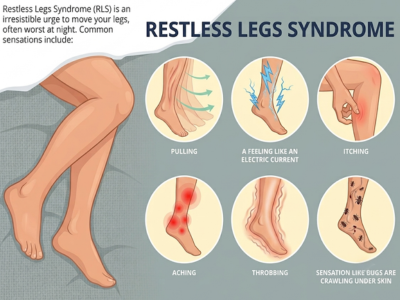
Restless Legs Syndrome (RLS)
An irresistible urge to move the legs, usually at night, caused by abnormal dopamine signalling.

Narcolepsy
Sudden, uncontrollable sleep attacks during the day, sometimes with cataplexy (sudden muscle weakness).
REM Sleep Behaviour Disorder (RBD)
Acting out vivid dreams physically, which can be an early warning sign of Parkinson’s disease and related movement disorders.

Parasomnias
Sleepwalking, night terrors, and confusional arousals.
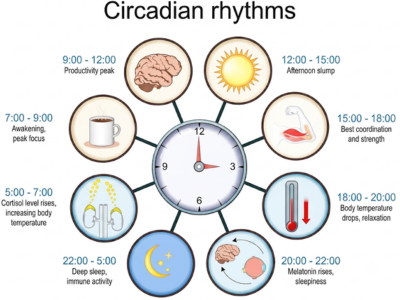
Circadian Rhythm Disorders
A mismatch between the body clock and the day-night cycle, common in shift workers and frequent travellers.
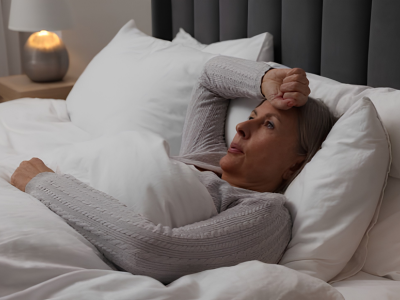
Sleep Disturbances in Neurological Diseases
Disrupted sleep linked to Parkinson’s disease, epilepsy, dementia, stroke, and multiple sclerosis.
Right treatment begins with precise diagnosis. Here is how Dr. Hosurkar identifies the exact cause of your sleep problem.
Comprehensive Diagnostic Approach by Dr. Guruprasad Hosurkar
Dr. Hosurkar follows a structured, evidence-based diagnostic process to deliver the best neurological sleep disorders treatment in Bangalore:

Detailed Clinical Evaluation

Sleep Diaries and Questionnaires
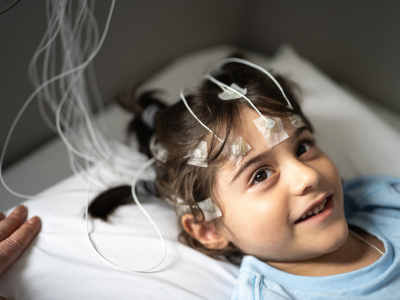
Polysomnography (Sleep Study)
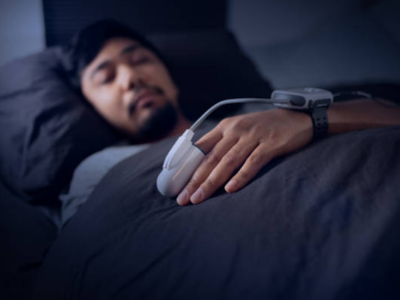
Multiple Sleep Latency Test (MSLT)
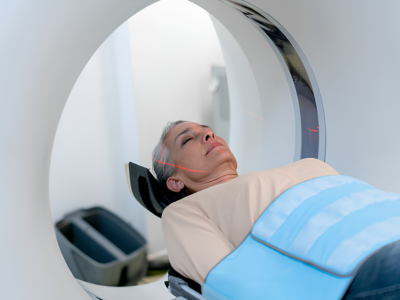
Neurological Assessment and Imaging

Blood Investigations
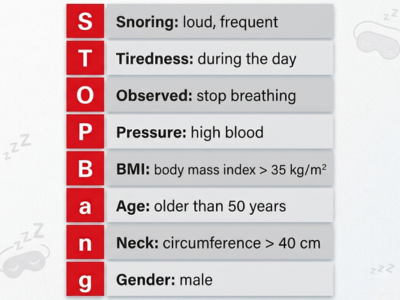
STOP-BANG Scale for OSA Risk
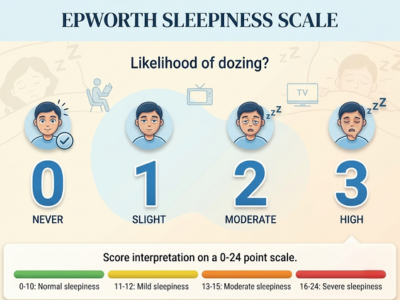
Epworth Sleepiness Scale
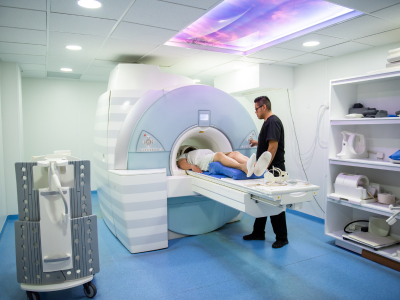
Specialised Dynamic Sleep MRI
Once the cause is clear, treatment is tailored to you. Let’s explore the available therapy options.
Treatment Options Offered by Dr. Hosurkar
Dr. Hosurkar designs individualised treatment plans rather than one-size-fits-all prescriptions:

Medication Management
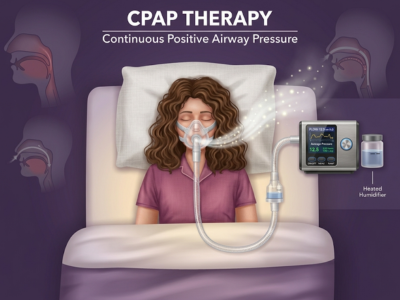
CPAP and BiPAP Therapy
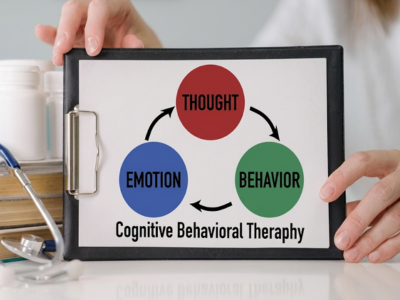
Cognitive Behavioural Therapy for Insomnia (CBT-I)

Treatment of Underlying Neurological Conditions

Sleep Hygiene and Lifestyle Counselling
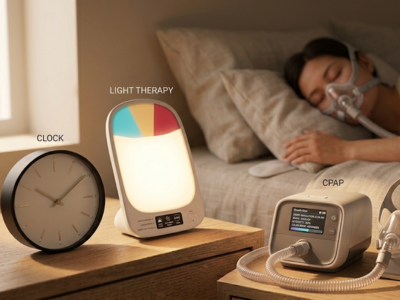
Chronotherapy and Light Therapy

Iron and Nutritional Correction
With so many specialists in the city, what makes Dr. Hosurkar the right choice? Here is what sets his care apart.
Why Choose Dr. Guruprasad Hosurkar for Neurological Sleep Disorder Care in Bangalore?
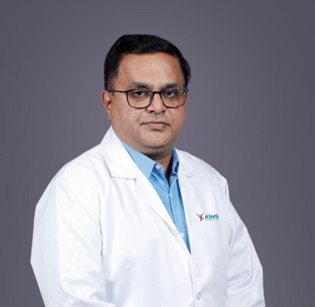
22+ Years of Clinical Experience
Over two decades of clinical expertise in neurology and certified experience in sleep disorders, with thousands of patients treated for complex brain and sleep conditions.
Specialist in Sleep-Movement Disorder Overlap
His expertise in Parkinson’s disease helps detect early signs like REM sleep behaviour disorder, making him one of the best neurological sleep disorder specialist in Bangalore for overlapping conditions.
Advanced Training
Diplomate of National Board in Neurology with specialised international training from Germany.
Root-Cause Treatment Philosophy
Focus on treating the neurological cause of poor sleep, not just masking symptoms with sedatives.
Care for Complex and Referred Cases
Trusted by physicians across Bangalore for patients whose sleep problems coexist with epilepsy, stroke, dementia, or Parkinson’s disease.
Compassionate, Personalised Care
Every treatment plan is built around your specific condition, lifestyle, and goals.
Understanding what triggers these disorders can help you prevent them from worsening. Let’s look at the common causes.
Causes and Risk Factors
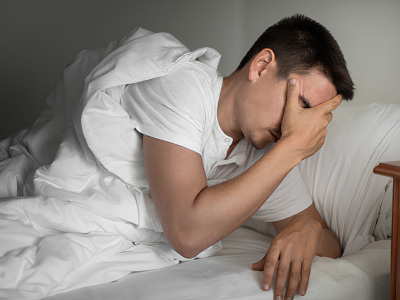
Neurological sleep disorders can arise from a combination of factors:
Neurological Diseases
Parkinson’s disease, epilepsy, dementia, stroke, and multiple sclerosis directly disturb the brain circuits that regulate sleep.
Neurotransmitter Imbalances
Abnormal dopamine, orexin, or melatonin signalling underlies RLS, narcolepsy, and circadian disorders.
Genetics
Family history significantly increases the risk of RLS, narcolepsy, and insomnia.
Age
Sleep architecture naturally changes with age, and disorders like RBD and sleep apnea become more common after 50.
Medications and Substances
Certain antidepressants, stimulants, alcohol, caffeine, and nicotine can disrupt sleep cycles.
Nutritional Deficiencies
Low iron, vitamin D, or B12 levels can trigger or worsen restless legs syndrome.
Obesity and Anatomy:
Excess weight and airway structure are major contributors to obstructive sleep apnea.
Lifestyle Factors
Shift work, irregular schedules, chronic stress, and excessive screen time before bed.
FAQs
1. Are sleep studies necessary for every patient?
No. Sleep studies are only recommended if sleep problems are suspected to be due to a condition such as sleep apnea, narcolepsy or REM sleep behaviour disorder. For those who suffer from insomnia or have minor problems, you may be diagnosed by a clinical evaluation alone.
2. Can medications completely cure sleep disorders?
While most neurological sleep disorders require both medicine and a multifaceted approach, medicine is very effective in controlling symptoms. Medicines are sometimes less effective than other therapies, such as CBT-I, CPAP and lifestyle changes, which have been shown to have longer-lasting effects.
3. Is treatment different for adults and children?
Yes. They should be age appropriate, situationally appropriate and assessed carefully, as conditions such as parasomnias often improve with growth, and adult conditions typically require intervention.
4. What lifestyle changes can improve my sleep?
Keep a fixed sleep-wake schedule, limit caffeine and alcohol after evening, avoid screens an hour before bed, exercise regularly (but not late at night), and keep your bedroom dark, quiet and cool.
5. How long does it take to see improvement in sleep patterns?
For people with CPAP, the benefits can start to appear within days. CBT-I can usually show results in 4-8 weeks, depending on the disorder associated with Parkinson’s or other neurological disorders, which may improve over time as the underlying disorder is optimised.
6. When should I see a neurologist instead of a general physician for sleep problems?
Consult a neurologist if you have leg movements at night, act out your dreams, experience sudden daytime sleep attacks, or have an existing condition like Parkinson’s, epilepsy, or stroke.
Disclaimer: The information shared in this content is for educational purposes and not for promotional use.