
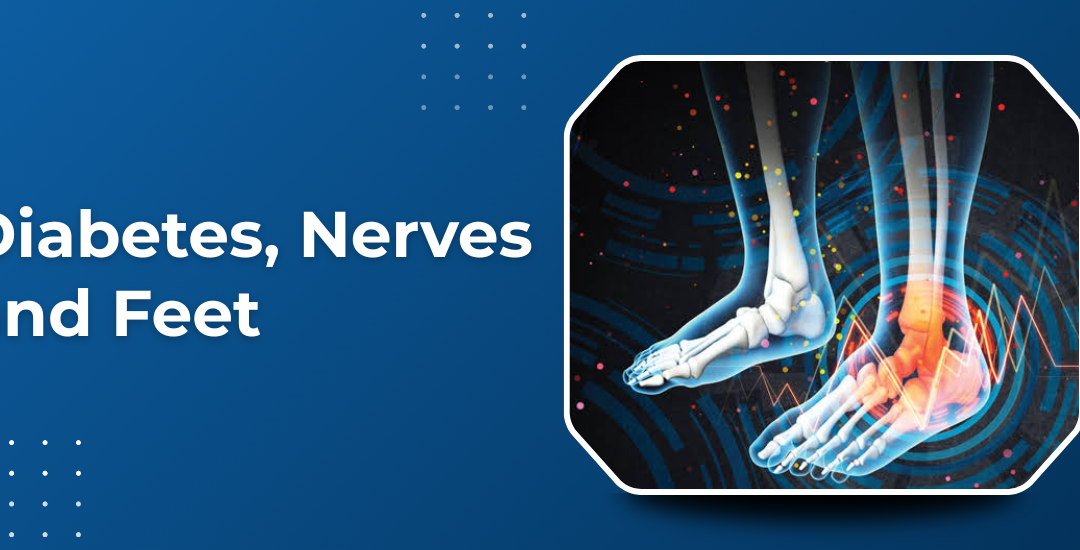
How Does Diabetes Damage Your Nerves and Feet?
High sugar attacks the nerves in your feet from two sides at once: it poisons the fibres themselves, and it squeezes shut the small arteries that keep them fed. The nerves to the toes are among the longest in the body, so they fail first. Then the soles go numb. A cut...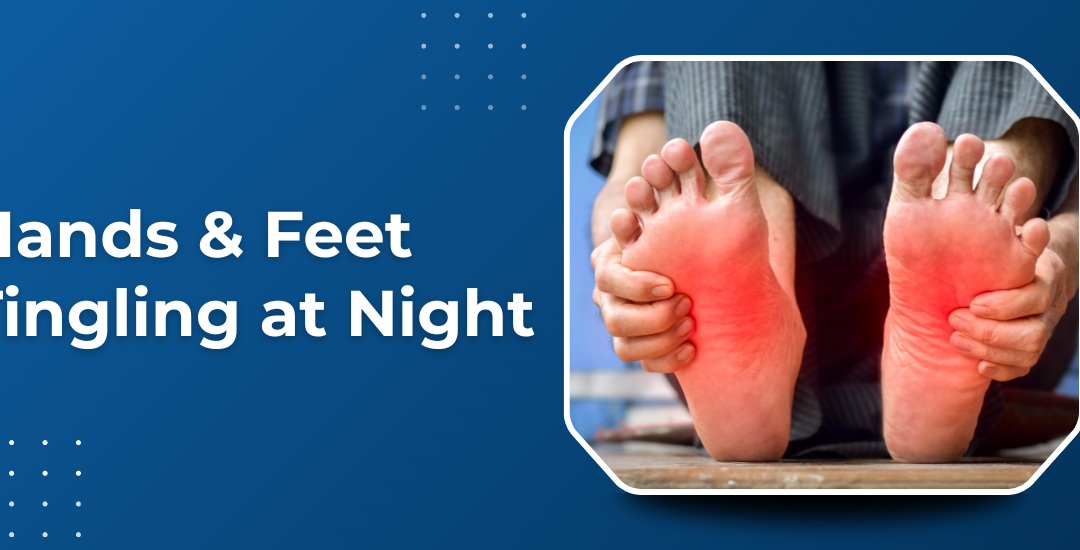
Why Do My Hands and Feet Keep Tingling at Night?
Nighttime tingling in the hands and feet usually comes from a nerve that’s pinched, damaged, or short on vitamin B12. Carpal tunnel takes the hands, diabetes or low B12 takes the feet, and restless legs can fake the whole thing. Nights are worse because wrists...
Vertigo After COVID-19: Why It Happens?
Post-COVID vertigo is most commonly vestibular neuritis inflammation of the balance nerve in the inner ear. BPPV is the second most frequent cause. In long COVID, dysautonomia can mimic vestibular symptoms entirely. Two theories explain the mechanism: direct viral...
DBS vs Focused Ultrasound for Parkinson’s Tremor: Which Is Better?
Parkinson’s disease is a progressive neurological condition that affects movement due to changes in brain areas responsible for controlling coordination. Tremors are one of the common symptoms, which may affect daily activities such as writing, eating, walking, and...
Telemedicine for Neurology: What Can Be Done Online?
Telemedicine handles follow-up care, medication adjustments, symptom reviews and report interpretation for many neurological conditions, while acute events and hands-on examinations still need a hospital. Video consultations work best when the diagnosis is already...