
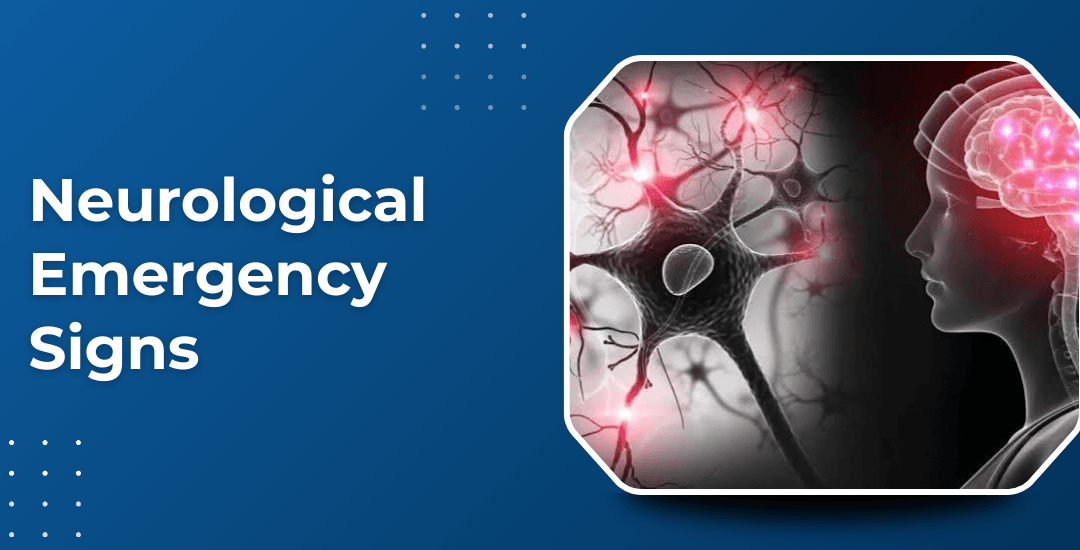
Neurological Emergencies: Signs You Need the ER Now?
A neurological emergency is any sudden problem in the brain, spinal cord, or nerves that can cause permanent damage within minutes to hours. Signs that need immediate ER attention: facial droop, one-sided weakness, slurred speech, a thunderclap headache, a seizure...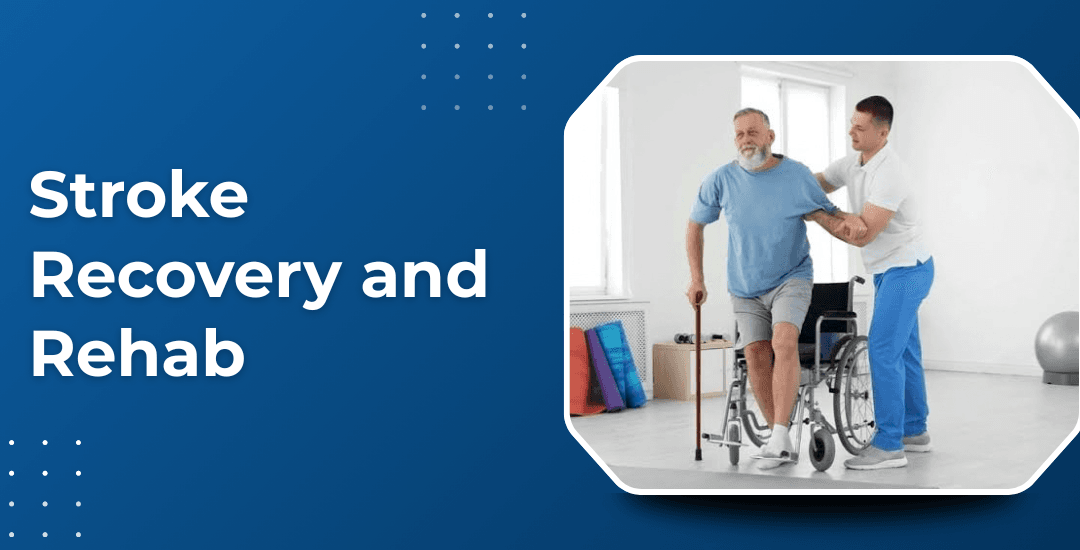
Stroke Recovery: What Rehabilitation Really Looks Like?
Stroke rehabilitation combines physiotherapy, occupational therapy, and speech therapy beginning within 48 hours of a stable stroke and continuing for months. The fastest gains come in the first three months, with slower improvement possible well past six. It works by...
Botox for Migraine: What to Expect from Treatment?
Botox for migraine (onabotulinumtoxinA) is FDA-approved for chronic migraine with fifteen or more headache days a month, with migraine features on at least eight. It isn’t effective for episodic migraine. Treatment involves roughly thirty injections across the...
Cervicogenic Headache: Is Your Neck Causing It?
Cervicogenic headache is a secondary headache caused by dysfunction in the upper cervical spine not the brain and typically presents as one-sided pain that spreads from the neck into the head. Unlike migraine, it worsens with neck movement, sustained postures, or...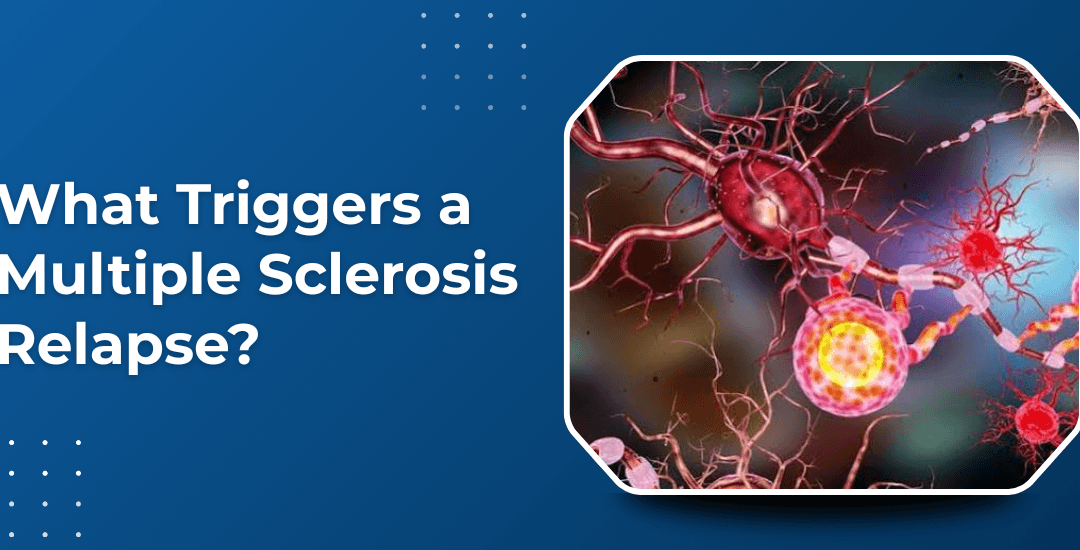
What Triggers a Multiple Sclerosis Relapse?
MS relapses happen when the immune system attacks the myelin sheath, causing neurological symptoms lasting at least 24 hours. Infections trigger up to 30% of relapses, but physical stress, heat, hormonal shifts, and missed DMT doses are also common culprits. Note that...