
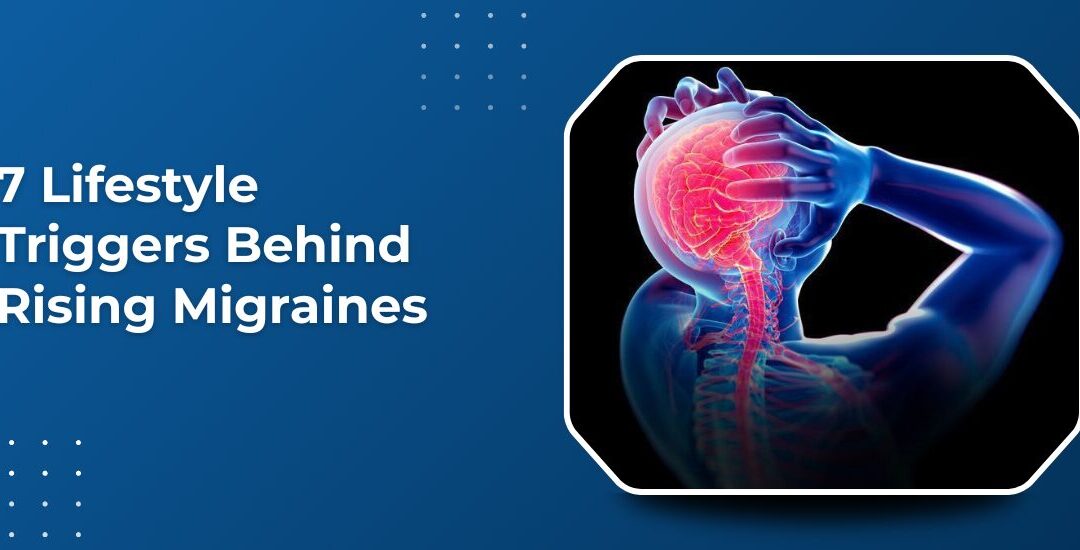

What Causes Sudden Vertigo in Adults?
Sudden vertigo is a false sensation of spinning or movement that comes on without warning, often lasting seconds to minutes but sometimes persisting for hours. The most common causes in adults are inner ear disorders, but neurological conditions including vestibular...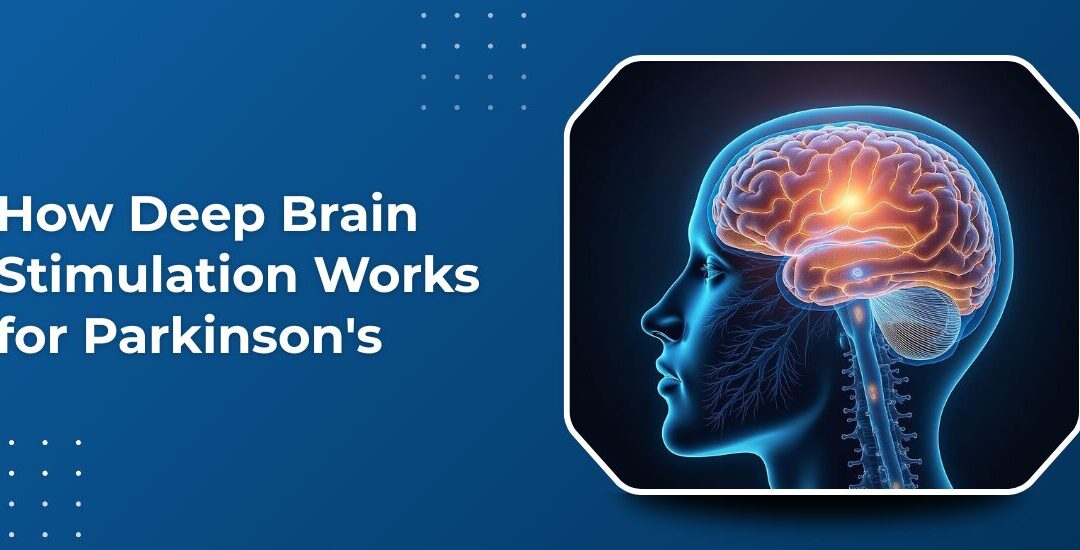
How Deep Brain Stimulation Works for Parkinson’s
Deep brain stimulation places thin electrodes into the subthalamic nucleus, where they deliver precise electrical pulses that override the abnormal firing patterns responsible for tremor, rigidity, and bradykinesia. The subthalamic nucleus is the preferred target...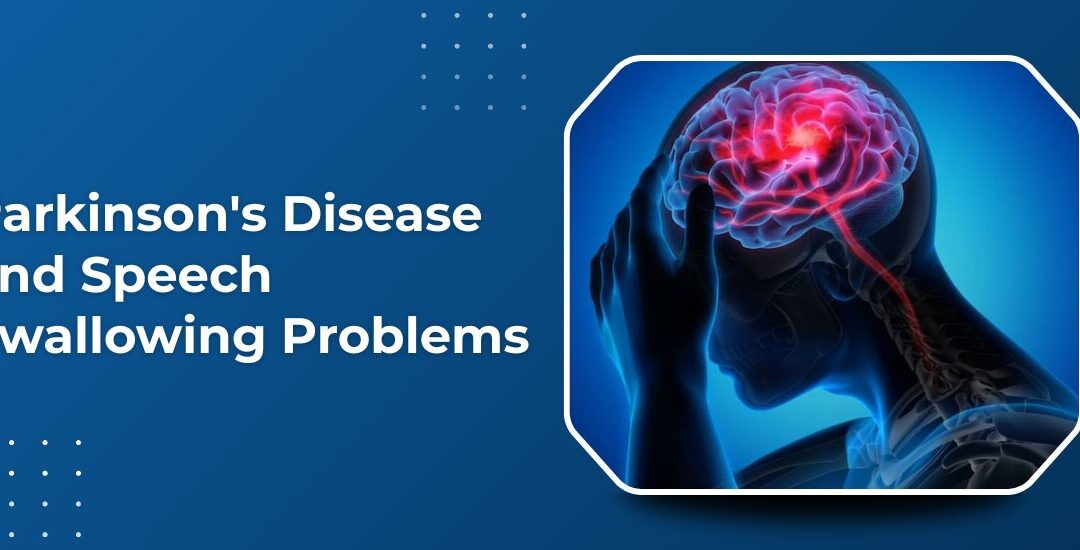
Parkinson’s Disease and Speech Swallowing Problems
Parkinson’s disease causes both dysarthria and dysphagia due to muscle rigidity and reduced movement amplitude across oral and pharyngeal muscles. Over 90% of patients develop soft or monotone voice, slurred speech, choking during meals, and drooling, all...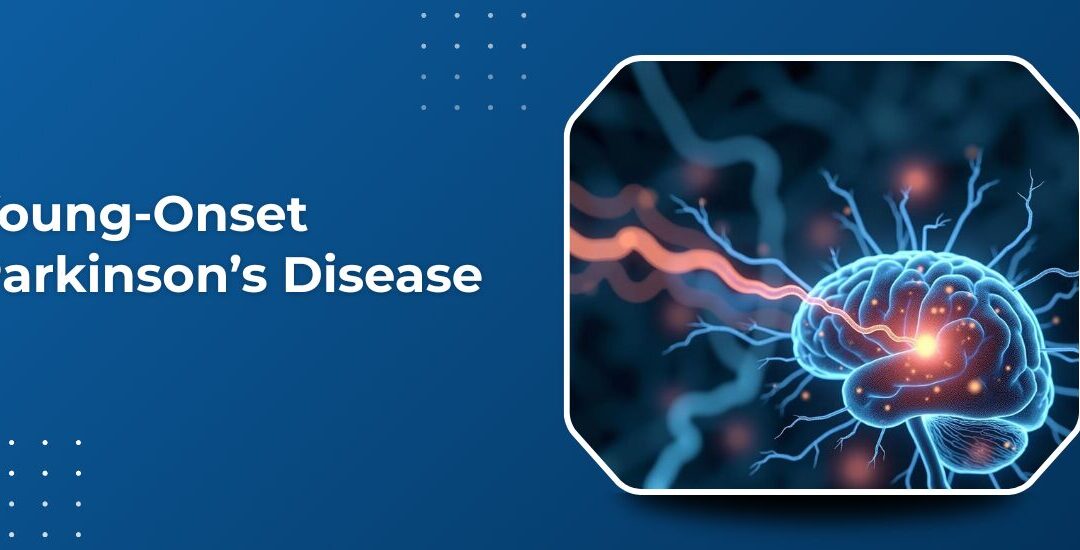
Young-Onset Parkinson’s Disease
Young-onset Parkinson’s disease is diagnosed when symptoms of parkinsonism begin between the ages of 21 and 50, accounting for roughly 5 to 10 percent of all Parkinson’s cases globally. Rigidity and painful muscle cramping tend to show up earlier than a...