
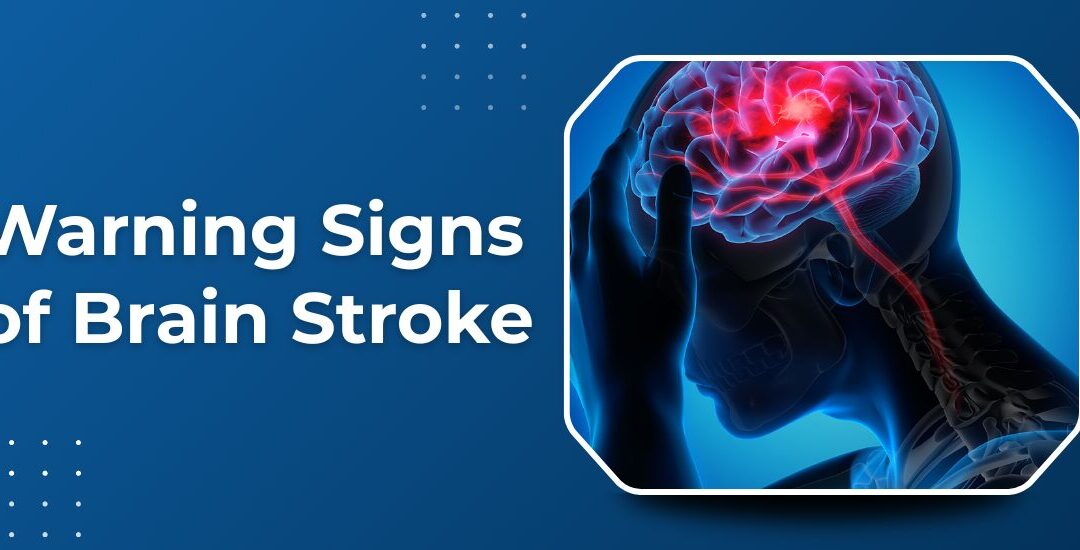
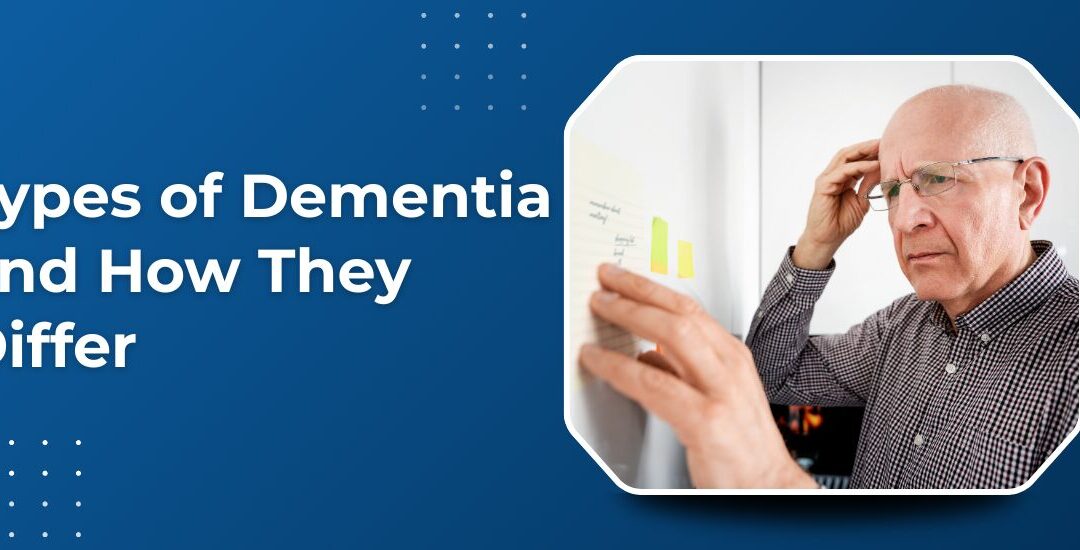
What Are the Different Types of Dementia and How Do They Differ?
Dementia is not a single disease but an umbrella term for conditions causing progressive cognitive decline severe enough to interfere with daily life. Alzheimer’s accounts for 60 to 70% of all cases, but vascular dementia, Lewy body dementia, and frontotemporal...
What Is the Difference Between Vertigo and Dizziness?
Vertigo and dizziness are not the same thing, even though most people use the terms interchangeably. Dizziness is a broad umbrella term covering any sensation of lightheadedness, faintness, or general unsteadiness, while vertigo is a specific subtype where the person...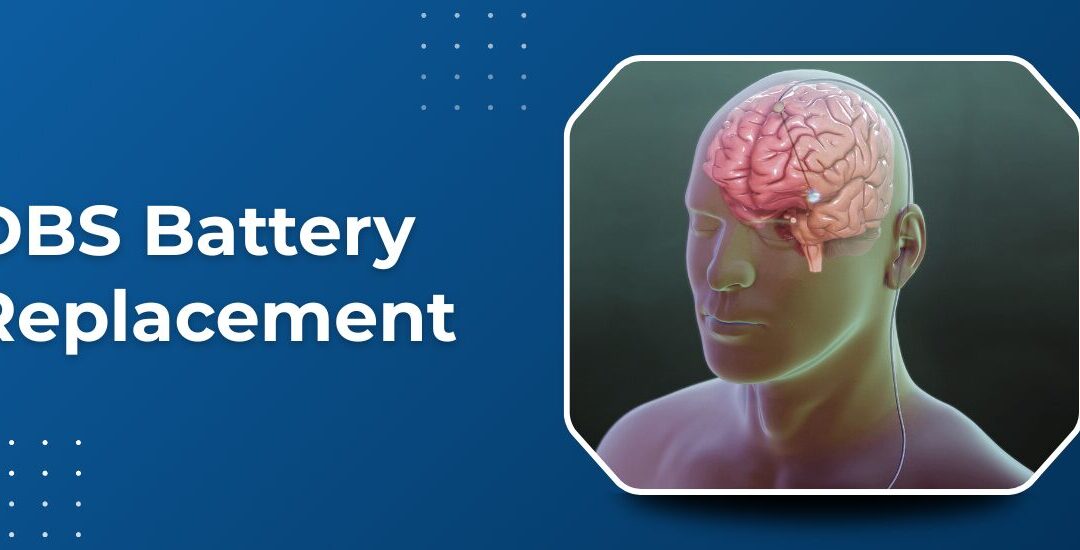
When Does a DBS Battery Need to Be Replaced?
A DBS battery, or implantable pulse generator (IPG), needs replacement every 3 to 5 years for non-rechargeable devices and up to 9 years for rechargeable ones. Battery depletion isn’t sudden neurologists track device voltage at every programming visit and can...
Can Parkinson’s Disease Affect People Under 50 in India?
Parkinson’s disease does affect people under 50, and in India, early-onset cases account for roughly 10 to 20% of all Parkinson’s diagnoses. When symptoms appear before age 50, it’s classified as young-onset Parkinson’s disease (YOPD); before...