

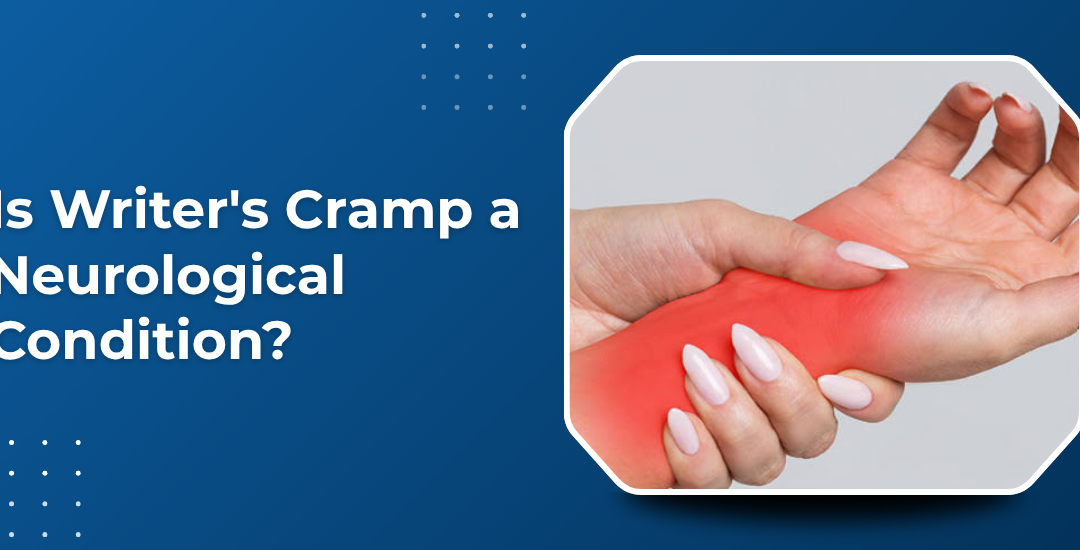
Is Writer’s Cramp a Neurological Condition?
Writer’s cramp is a neurological condition classified as a focal task-specific dystonia, where abnormal signaling between the brain’s motor circuits triggers involuntary muscle contractions in the hand and forearm during writing. It isn’t caused by...
How Does Parkinson’s Disease Affect Driving and Employment in India?
Parkinson’s disease affects driving and employment through its motor symptoms, tremor, rigidity, bradykinesia, and postural instability and through non-motor symptoms, including cognitive slowing, visual changes, and fatigue. In India, there’s no automatic...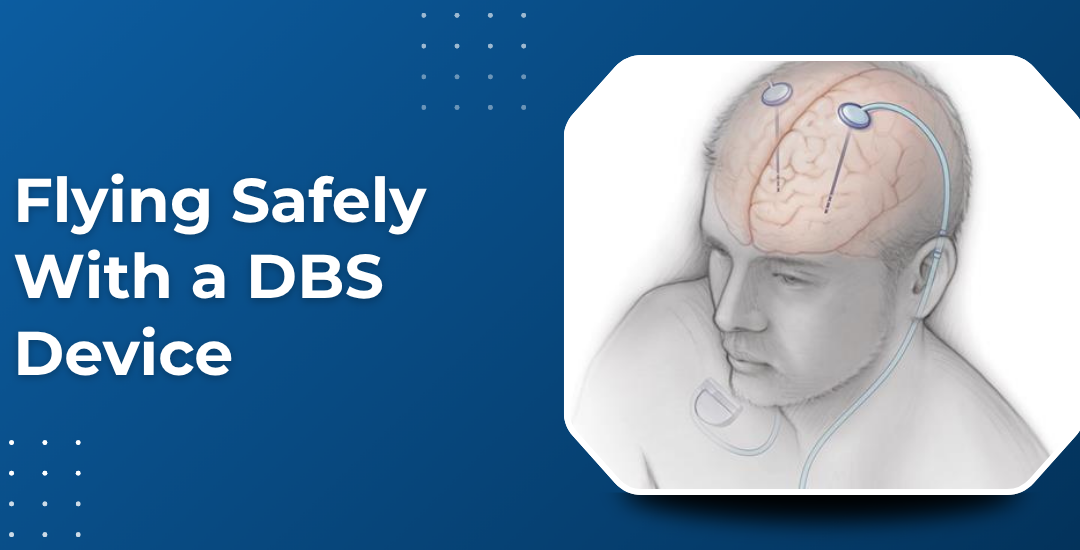
Is It Safe to Fly with a DBS Device Implanted?
Flying with a Deep Brain Stimulation implant is safe for most patients, but it requires specific preparation, particularly around airport security screening, carrying device documentation, and knowing how to manage the stimulator in-flight. The implanted components...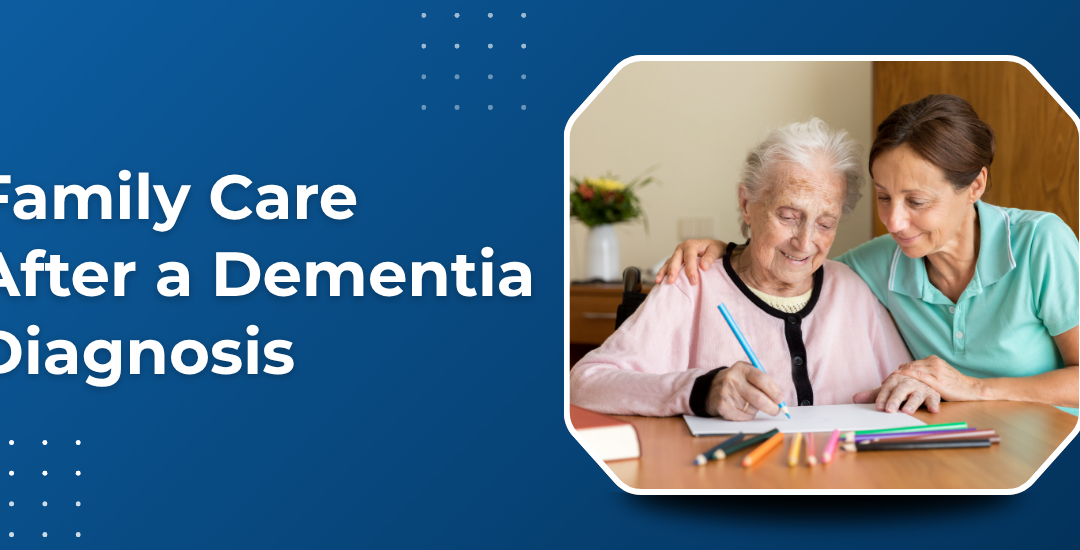
What Should Family Members Do After a Parent Is Diagnosed with Dementia?
After a dementia diagnosis, the immediate priorities for family members are: understanding the type and stage of the condition, getting a structured care plan from a neurologist, organising legal and financial decisions early, and putting daily support systems in...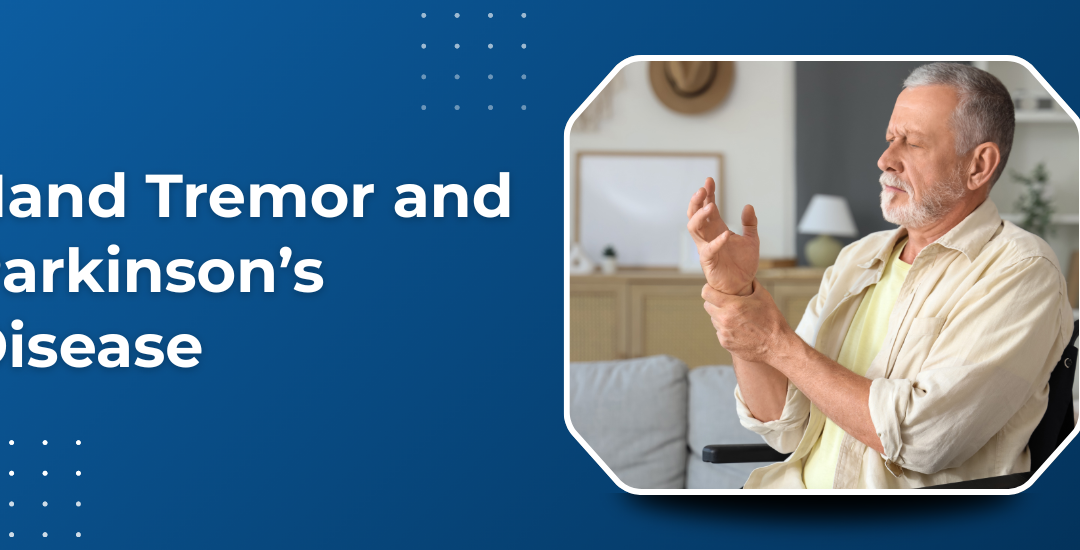
Is Hand Tremor Always A Sign Of Parkinson’s Disease?
Hand tremor is not always a sign of Parkinson’s disease; it’s just one of several possible causes, and essential tremor is actually more common across the general population. Tremors vary based on whether they show up at rest or during movement, whether...