Deep Brain Stimulation (DBS) for Parkinson’s disease delivers strong results, with success rates of 85% to 90% in easing tremors, stiffness, and dyskinesias. Most patients recover within 3 to 6 weeks, starting with a short 3-day hospital stay and followed by gradual fine-tuning of the device to get the best possible symptom relief.
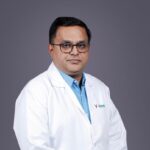
According to Dr. Guruprasad Hosurkar, a leading neurologist in Bangalore, explains,
“DBS won’t make Parkinson’s go away, but it changes how the brain circuits fire. People who used to plan their entire day around when their pills would kick in suddenly get back chunks of time when they feel normal again, and that shift means everything when you’ve been stuck on a rigid medication clock for years.”
Considering DBS for Parkinson’s management?
What Success Rates Tell Us About DBS Outcomes ?
Deep Brain Stimulation isn’t a cure for Parkinson’s, but for the right patient, it can be life-changing. The difference between disappointment and satisfaction comes down to one thing: knowing what to expect.
- Tremor control: 75-90%: Resting tremor (often the most visible symptom) drops dramatically after activation; ~3 in 4 patients see near-complete suppression.
- Rigidity & bradykinesia: 50-70% improvement: Stiffness and slowness respond well, restoring functional speed in daily tasks like dressing, eating, and walking without the medication rollercoaster.
- Best candidates: Patients under 70 with good levodopa response but motor fluctuations gain the most, as DBS extends “on” time without dyskinesia.
- Gait & balance: less predictable: Freezing, postural instability, and falls remain challenging, especially in advanced cases. This is why patient selection favors tremor- or rigidity-dominant Parkinson’s over PIGD subtypes.
Honest pre-surgery expectations matter most for satisfaction. DBS controls symptoms but doesn’t slow progression. For DBS surgery in Bangalore, choose a neurologist with hundreds of cases, not just the latest equipment.
What Is the Recovery Process After Deep Brain Stimulation (DBS) Surgery for Parkinson’s Disease?
DBS surgery is just the beginning; the real progress happens in the weeks and months that follow. Here’s a step-by-step look at what recovery actually involves, from your hospital stay to fine-tuning the device.
- Initial Hospital Stay (3-5 days)
Right after surgery, you’ll be in hospital under watch after they put the electrodes in, with nurses checking your wounds, managing any pain, and getting you up and walking as soon as it’s safe. - Healing Period (2-4 weeks)
During this window, the surgical cuts heal, and you’ll need to take it easy while everything settles into place underneath. Your Parkinson’s symptoms stay the same because nobody’s turned the device on yet. - Device Activation (3-4 weeks post-surgery)
Once the swelling drops, programming starts, with the first settings tested across a few visits. Some people notice their tremor drop right away, but the real benefit builds up slowly. - Programming Phase (3-6 months)
Here’s where the fine-tuning happens: Your neurologist tweaks the stimulation strength and pattern during regular check-ins, trying to get rid of symptoms without causing problems like slurred words or tight muscles. Medication doses usually come down as DBS picks up more of the work.
Phase | Timeline | What Happens |
Hospital Stay | 3-5 days | Wound checks and short walks; symptoms unchanged |
Healing | 2-4 weeks | Incisions close; device still off, baseline symptoms |
Activation | Week 3-4 | First programming; tremor may ease right away |
Optimization | 3-6 months | Adjustments and medication cuts; symptoms improve |
Maintenance | Ongoing | Battery and yearly checks; steady, lasting benefit |
Full improvement typically shows up around six months, though some patients notice a major difference within weeks of turning the device on. Long-term success depends on keeping up with follow-ups, since programming needs to shift as the disease progresses for the same reason recognizing the early warning signs of Parkinson’s disease matters, so intervention can begin at the right time.
Why Choose Dr. Guruprasad Hosurkar for DBS Surgery?
Dr. Guruprasad Hosurkar runs the Movement Disorders and Parkinson’s Disease Programme at KIMS Hospital, Mahadevapura, where he brought India’s first Adaptive Closed-Loop DBS centre online. His combination of skills in picking the right candidates and programming the device after surgery means you get straight talk about what DBS can actually do before going under the knife, and careful adjustments afterward that give you the best shot at real motor improvement without promises the technology can’t keep.
FAQs
How long does DBS battery last in India?
Batteries you can’t recharge usually run for 3 to 5 years depending on how much stimulation you need.
Can DBS stop Parkinson's from getting worse?
DBS handles motor symptoms really well but doesn’t slow down how the disease itself progresses, which means you’ll still see gradual decline in what your body can do over the years.
What happens if DBS device fails?
Device problems don’t happen often and can usually be fixed by changing the programming, moving a wire, or swapping the battery.
Is DBS covered under Indian health insurance?
A bunch of private insurance companies now pay for DBS under certain brain disorder policies.