
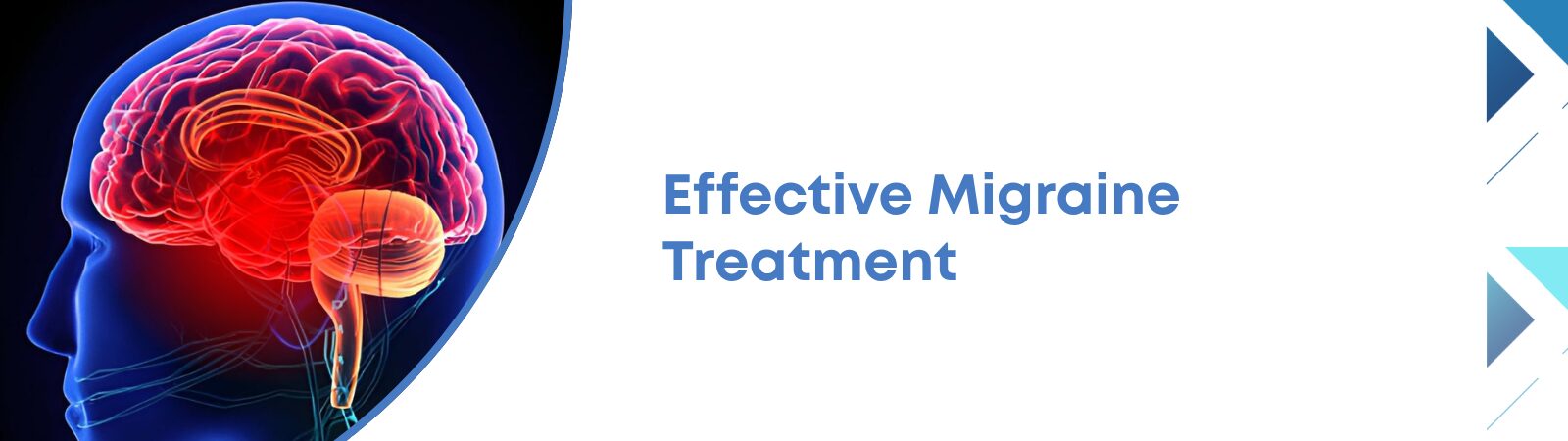
Migraine Headache Treatment in Bangalore

A migraine is a neurological condition, not simply a severe headache. The one-sided throbbing, the nausea, and the sudden intolerance to light all stem from changes in the brain and its nerve pathways. For some people, attacks come a few times a year. For others, they strike fifteen or more days a month, severe enough to disrupt work, sleep, and daily life. The World Health Organization ranks migraine among the most debilitating disorders, which is why it deserves proper medical evaluation rather than repeated painkillers.
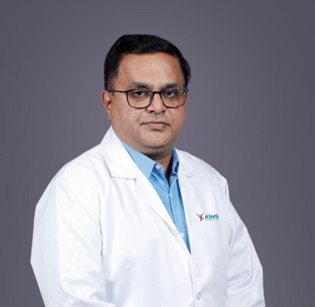
Dr. Guruprasad Hosurkar, regarded as one of the best neurologist in Bangalore, explains, “Most patients have been told to just take a painkiller and rest. But migraine has patterns and triggers, and once we understand them, we can actually prevent attacks rather than only chase them after they start.”
With more than 22 years of experience in managing brain and nerve disorders, Dr. Guruprasad Hosurkar offers advanced, result-oriented migraine headache treatment in Bangalore. He focuses on identifying the actual triggers of each patient’s attacks before prescribing treatment. Two people with the same symptom often need very different care, and recognising that difference is where lasting migraine relief starts.
What kind of migraine might you have? Here are the types Dr. Hosurkar sees most often.
Migraine Types Dr. Guruprasad Hosurkar Treats
Migraine comes in several forms, and identifying the right one shapes the entire treatment plan. As an experienced neurologist in Bangalore, Dr. Hosurkar treats every type:

Migraine without Aura:
The common kind. A pounding, one-sided headache with nausea and sensitivity to light and sound, but no visual warning beforehand.
Migraine with Aura:
Flashing lights, blind spots, or zigzag lines show up before the pain does. Some people also get tingling or trouble speaking.
Chronic Migraine:
Headache on fifteen or more days a month, for over three months. This is where life starts to shrink around the condition.
Hemiplegic Migraine:
A rare and frightening type that brings temporary weakness on one side of the body, easily mistaken for a stroke.
Vestibular Migraine:
Dizziness and a spinning sensation take centre stage, sometimes with very little headache at all.
Menstrual Migraine:
Attacks that lock onto the hormonal cycle, usually around the period.
Status Migrainosus:
A brutal attack that drags on beyond 72 hours and often needs urgent care.
By identifying the specific type and its underlying cause, Dr. Hosurkar tailors treatment to each patient rather than applying a one-size-fits-all approach.
Knowing the type is only half the story. Here is how Dr. Hosurkar gets to the root of it.
Dr. Guruprasad's Diagnostic Approach for Migraines
There is no single blood test for migraine, so diagnosis is a piece of detective work. Dr. Hosurkar approaches it methodically to deliver the best migraine treatment in Bangalore:

Detailed History:
He digs into when the attacks started, how they felt, how long they lasted, and what was going on around them. This conversation often reveals more than any scan.

Headache Diary Review:
Tracking a few weeks of attacks, triggers, and timing turns a vague complaint into a clear pattern.
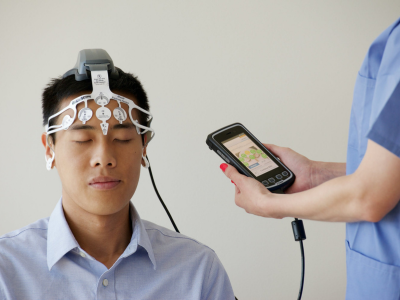
Neurological Examination:
A hands-on check of vision, reflexes, coordination, and balance to rule out anything more serious.
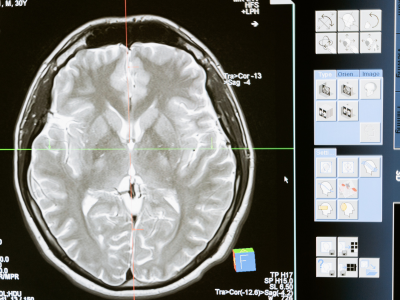
MRI or CT Imaging:
Ordered when the headache pattern changes suddenly, or when the picture does not quite add up, to rule out tumours, bleeds, or other causes.
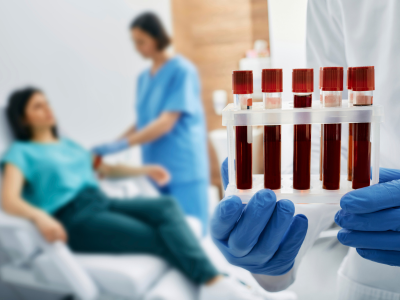
Blood Tests:
Used to catch thyroid trouble, anaemia, or vitamin deficiencies that can contribute to migraine.

Trigger Identification:
Food, sleep, stress, hormones, screens. Pinning down personal triggers is half the battle won.
Want to understand what sets off your attacks? Connect with an expert for a comprehensive evaluation and care.
Once the cause is clear, the right treatment can begin. Here is what that looks like.
Migraine Treatment Offered by Dr. Guruprasad Hosurkar
Migraine care works on two fronts: stopping an attack in progress and preventing the next one. Effective migraine headache treatment in Bangalore depends on getting both right, and Dr. Hosurkar builds them into a plan made for you:

Acute Medications:
Drugs that cut an attack short, from triptans to newer options, matched to how severe and how frequent your attacks are.

Preventive Medications:
Daily medicines that lower how often and how hard the attacks hit, for people who get them too regularly to manage one by one.

CGRP Inhibitors:
A newer class of migraine-specific treatment that has changed the game for many chronic sufferers who failed older drugs.
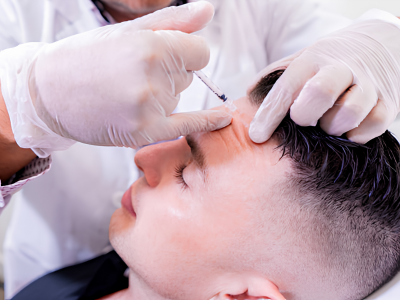
Botox Therapy:
Ordered when the headache pattern changes suddenly, or when the picture does not quite add up, to rule out tumours, bleeds, or other causes.
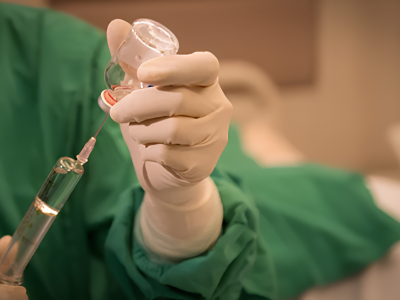
Nerve Blocks:
Targeted injections that quiet down overactive pain nerves, useful when attacks are stubborn.

Treating the Underlying Driver:
When sleep problems, neck issues, or hormonal swings are feeding the migraines, those get addressed too.

Lifestyle and Trigger Management:
The unglamorous foundation that makes every other treatment work better.
With so many doctors available, what makes Dr. Hosurkar the right choice? Here is what sets him apart for best migraine headache treatment in Bangalore.
Why Choose Dr. Guruprasad Hosurkar for Migraine Treatment in Bangalore
22+ Years of Clinical Experience
Over two decades in neurology, with a patient base of 10,000+ treated for headaches and brain conditions.
Chronic and Complex Migraine Expertise
Many patients come to him after earlier treatments have not given the relief they hoped for. As a recognised chronic migraine specialist in Bangalore, he has deep experience with challenging cases that need more specialised care.
Access to the Newest Treatments
CGRP inhibitors, Botox therapy, and nerve blocks are all part of his toolkit, not just the standard painkiller routine.
Leadership in Neurology Care
He is the Director and Clinical Lead of Neurology at KIMS Hospital, Mahadevapura, where he heads the neurology programme.
Training and Credentials
Diplomate of the National Board in Neurology, with further specialist training completed in Germany.
National Recognition
Named Neurologist of the Year, South India, by the Economic Times in 2022, and Inspiring Neurologist of the Year in 2021.
Prevention-First Approach
He would rather stop attacks before they start than leave you reaching for a pill every time one hits.
Personalised Care
No two migraine plans are identical. Your triggers, your history, and your daily routine shape the treatment.
Treatment goes a long way when daily habits support it. Here is where you can take control.
Lifestyle and Preventive Strategies for Migraine Relief
Medicine does part of the work. The rest happens in how you live day to day:
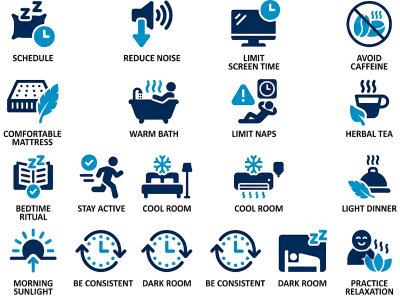
Keep Regular Sleep:
Too little sleep triggers attacks, and so does too much. A steady schedule beats both.
Eat on Time:
Skipping meals is one of the most common triggers people overlook. Do not let yourself get too hungry.
Stay Hydrated:
Dehydration sneaks up and sets off headaches, especially in Bangalore’s warmer months.
Track Your Triggers:
A simple diary or phone app shows you the patterns you cannot see in the moment.
Manage Stress:
Yoga, breathing exercises, or just protected downtime can cut attack frequency more than people expect.
Limit Screen Strain:
Long hours staring at a screen tighten things up. Short breaks and decent lighting help.
Watch Caffeine:
A little can help, too much rebounds into more headaches. Find your line and hold it.
Small daily changes add up to fewer attacks. Get in touch with an expert to build a plan around your lifestyle.
Still have questions? Here are quick answers to the ones families ask most.
FAQs
1. Can migraines affect vision or cause dizziness long-term?
For most people, the visual stuff and dizziness clear up once the attack passes. They become a worry only when they are frequent or hang around, which is exactly when you want them checked rather than ignored.
2. Can chronic migraines be fully managed?
Absolutely. Plenty of patients go from headaches most days to just a handful a month once the right preventive plan clicks into place.
3. Are there non-medication therapies for migraine management?
Yes, and they help more than people expect. Botox, nerve blocks, biofeedback, stress management, and a steady daily routine can all make a real difference, sometimes enough to reduce how many pills you need.
4. How long before I see improvement with treatment?
Acute medicines work within hours. Preventive treatment is a slower burn, usually six to eight weeks before you feel the real benefit, so it is worth not giving up early.
5. What triggers should migraine patients avoid?
The usual suspects are skipped meals, poor sleep, dehydration, stress, and too much caffeine. Some people also react to aged cheese, alcohol, or strong smells. Your own list is personal, and a diary uncovers it.
6. When should a headache make me worry it is something serious?
A sudden, explosive headache, one that comes with fever, confusion, weakness, or vision loss, or the “worst headache of my life”, deserves immediate medical attention. Those are not typical migraines.
Disclaimer: The information shared in this content is for educational purposes and not for promotional use.