

Dementia Treatment in Bangalore
Dementia affects more than memory. It gradually changes how a person thinks, communicates, and manages daily life, which is why timely diagnosis and structured, ongoing care matter so much.
Dr. Guruprasad Hosurkar, a senior neurologist in Bangalore, offers comprehensive dementia treatment in Bangalore, from early evaluation and accurate diagnosis to long-term management. His approach focuses on slowing progression where possible, managing symptoms, and supporting both patients and their families through every stage of the condition.
Before looking at treatment, it helps to understand what dementia actually is, and what it isn’t.

What Is Dementia?
Dementia is not a single disease but a general term for a decline in cognitive abilities, including memory, thinking, reasoning, and language, severe enough to interfere with everyday life. It is caused by damage to brain cells that affects how they communicate with one another.
Early signs often include difficulty remembering recent events, trouble finding the right words, confusion about time or place, struggling with familiar tasks, and changes in mood or behavior. Recognizing these signs early allows for accurate diagnosis and a treatment plan that can make a meaningful difference to quality of life.
Noticing memory changes in yourself or a loved one? Speak with an experienced dementia specialist in Bangalore today.
Dementia has several forms, and identifying the right one shapes the entire treatment plan.
Types of Dementia Treated by Dr. Guruprasad Hosurkar
Different types of dementia have different causes and progress in different ways. Dr. Hosurkar evaluates and manages the full range of dementia conditions, including:

Alzheimer's Disease:
The most common form of dementia, marked by a gradual decline in memory, thinking, and reasoning caused by changes in the brain over time.
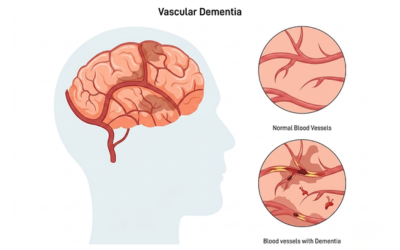
Vascular Dementia:
Caused by reduced blood flow to the brain, often after a stroke or due to small vessel disease. Managing vascular risk factors is central to treatment.
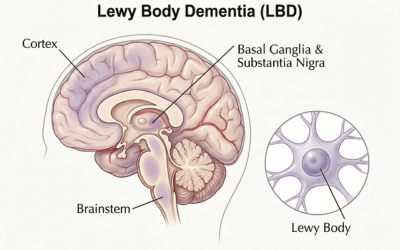
Lewy Body Dementia:
Linked to abnormal protein deposits in the brain, this type can involve fluctuating alertness, visual hallucinations, and movement changes alongside cognitive decline.

Parkinson's Disease Dementia:
Cognitive decline that develops in some people living with Parkinson’s disease, typically in the later stages of the condition.
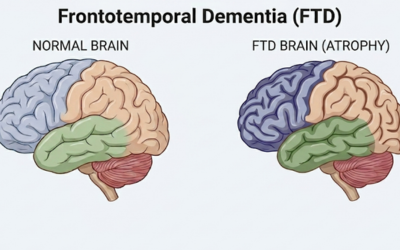
Frontotemporal Dementia:
A less common form that often appears at a younger age and tends to affect behaviour, personality, and language more than memory in its early stages.
By identifying the specific type and its underlying cause, Dr. Hosurkar tailors treatment to each patient rather than applying a one-size-fits-all approach.
Ready to take the next step toward recovery? Connect with an experienced stroke doctor in Bangalore today.
Dementia rarely exists in isolation. When it overlaps with other neurological conditions, care needs to be carefully coordinated.
Dr. Guruprasad's Approach to Treating Dementia in Parkinson's, MS & Other Disorders
Cognitive decline often develops alongside other neurological conditions, and managing it well means addressing the whole picture rather than a single symptom. Dr. Hosurkar has particular experience caring for patients whose dementia is connected to a broader neurological disorder.
In Parkinson’s disease, cognitive changes can emerge as the condition advances, and treatment must balance movement symptoms with memory and thinking difficulties. In conditions such as multiple sclerosis (MS), cognitive symptoms can affect concentration, memory, and processing speed, benefiting from a structured, supportive approach. Similar care applies to dementia arising from stroke, Lewy body disease, and other underlying causes.
Dr. Hosurkar’s approach combines accurate diagnosis, appropriate medication, management of any underlying conditions, and practical support for daily functioning. Where helpful, cognitive strategies, lifestyle measures, and family guidance form part of the plan to maintain independence and quality of life.

Alongside this, Dr. Guruprasad, with his colleague Dr. Sonali, has started a memory clinic at KIMS Hospital, offering access to advanced investigations for early Alzheimer’s detection such as serum/CSF beta-amyloid and tau protein ratios, FDG PET Brain scans, and newer therapeutic options including injections like Donanemab and Lecanemab, as well as rTMS. These services complement a comprehensive approach to cognitive health.
Caring for someone with a complex neurological condition? Connect with a trusted neurologist in Bangalore for coordinated care.
One of the first practical questions families ask is what dementia care will cost. Here is what shapes it.
Cost of Dementia Treatment in Bangalore
The cost of dementia treatment varies from one patient to another, as care is highly individual and often continues over a long period. Several factors influence the overall cost:
Type and Stage of Dementia:
Different types of dementia and more advanced stages may require different levels of care and management.
Diagnostic Evaluation:
Accurate diagnosis may involve cognitive assessments and imaging, which contribute to the overall cost.
Treatment and Medication:
Ongoing medication and symptom management form a regular part of care over time.
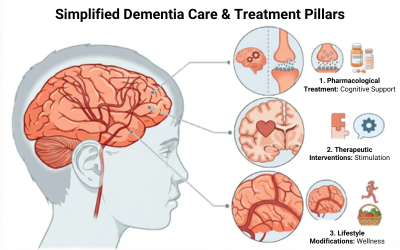
Long-Term and Supportive Care:
Follow-up visits, caregiver guidance, and supportive therapies are an important part of managing dementia well.
Dr. Hosurkar believes in transparent, fair pricing and works closely with families to explain treatment options and associated costs clearly, helping them plan with confidence for the road ahead.
With a condition this personal, the choice of specialist shapes the entire journey. Here is what sets Dr. Hosurkar apart.
Why Choose Dr. Guruprasad Hosurkar for Dementia Treatment in Bangalore
Choosing the right neurologist makes a real difference to how dementia is diagnosed, managed, and lived with. Here is why patients and families trust Dr. Hosurkar for dementia treatment in Bangalore:
Specialised Expertise:
With years of experience in neurology, Dr. Hosurkar brings deep clinical understanding of dementia and the many conditions associated with it.
Accurate Diagnosis:
Because different types of dementia require different care, Dr. Hosurkar emphasises careful evaluation to identify the underlying cause correctly.
Personalised Care Plans:
Every patient and family situation is different. Treatment is tailored to the individual’s type of dementia, stage, and personal circumstances.
Whole-Person and Family Support:
Beyond medication, Dr. Hosurkar offers practical guidance to help families understand the condition and support their loved one through it.
Trusted Neurologist in Bangalore:
Recognised as one of the best neurologists for dementia in Bangalore, Dr. Hosurkar combines clinical skill with a compassionate, patient-focused approach.

Have questions about diagnosis, treatment, or long-term care? Book a consultation with a trusted neurologist in Bangalore.
Still have questions? Here are quick answers to the ones families ask most.
FAQs
1.What is the difference between dementia and Alzheimer's disease?
Dementia is a general term for cognitive decline, while Alzheimer’s is the most common specific cause of it.
2. Can dementia be cured?
Most types cannot be cured, but treatment can manage symptoms, slow progression in some cases, and improve quality of life.
3. What are the early warning signs of dementia?
Common signs include memory loss, difficulty finding words, confusion about time or place, and changes in mood or behaviour.
4. Can Parkinson's disease lead to dementia?
Yes. Some people with Parkinson’s develop cognitive decline, usually in the later stages of the condition.
5. How can I reduce my risk of dementia?
Managing blood pressure, staying active, not smoking, staying socially and mentally engaged, and treating conditions like diabetes can all help.
References
Disclaimer: The information shared in this content is for educational purposes and not for promotional use.