
Severe Obstructive Sleep Apnea in a 35-Year-Old Stroke Patient — Empirical CPAP and Accelerated Recovery
A 35-year-old morbidly obese gentleman was admitted to KIMS Hospital with a sudden hypertensive intracerebral bleed, left-sided weakness, and difficulty speaking and swallowing. What stood out during ICU monitoring was that he was far drowsier than his stroke severity justified, snored heavily at night, and his oxygen saturation kept dropping to 90 percent during sleep. His blood pressure stayed uncontrolled even on five antihypertensives. Dr. Guruprasad Hosurkar, neurologist in Bangalore recognised severe obstructive sleep apnea as an active driver of the situation and started CPAP therapy empirically in the ICU itself, without waiting for a formal sleep study. Within two days the patient was shifted out of the ICU, his BP settled, neurorehabilitation became possible, and he was discharged within a week.
PATIENT PROFILE
AGE | 35 years |
GENDER | Male |
BMI | 42 (Morbidly Obese) |
CITY | Bangalore, India |
PRESENTING COMPLAINT | Sudden altered sensorium, left-sided weakness, slurred speech, swallowing difficulty, uncontrolled hypertension |
DIAGNOSIS | Right thalamocapsular hypertensive bleed with severe obstructive sleep apnea |
DATE OF ADMISSION | 2025 |
OUTCOME | Excellent — discharged within 7 days, bariatric surgery planned |
THE PROBLEM
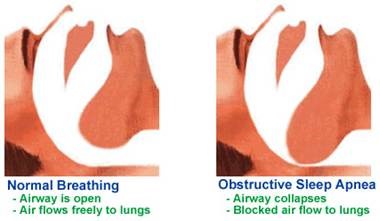
He came in as a neurological emergency. A 35-year-old man, morbidly obese with a BMI of 42, brought to the hospital with sudden altered sensorium, weakness on the left side, slurred speech, and trouble swallowing. Imaging confirmed a right thalamocapsular hypertensive bleed. That alone was serious enough. But something did not add up.
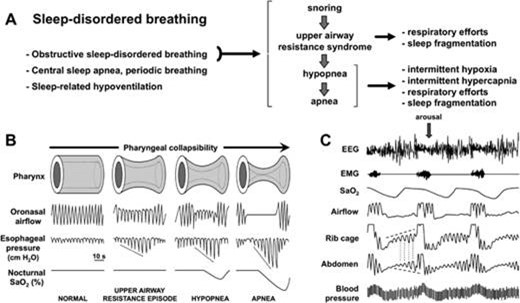
He was drowsier than a patient with this kind of bleed usually is. During ICU monitoring the nursing team noted loud snoring at night. His oxygen saturation kept dipping to 90 percent during sleep. His blood pressure refused to settle even after five antihypertensive medications. The treating team could not shift him out of the ICU, and active neurorehabilitation had to be put on hold. Something else was going on underneath the stroke, and it was blocking his recovery.
CONSULTATION & TREATMENT PLAN
What Was Assessed During the ICU Review
- Level of consciousness evaluated against the size and location of the bleed, which pointed to disproportionate drowsiness
- Night-time oxygen saturation trends reviewed, consistent desaturation to 90 percent noted during sleep
- Snoring pattern and witnessed apnea episodes documented by ICU staff
- Blood pressure response to five antihypertensives reviewed, resistant hypertension confirmed
- BMI of 42 and neck circumference flagged as significant clinical risk factors
- STOP-BANG questionnaire completed at bedside, score greater than 5
- Formal polysomnography ruled out in the acute ICU setting due to patient condition
| QUESTION | CRITERION | PATIENT RESPONSE |
|---|---|---|
| S T O P | ||
| Do you SNORE loudly (louder than talking or loud enough to be heard through closed doors)? | Yes / No | YES |
| Do you often feel TIRED, fatigued, or sleepy during the daytime? | Yes / No | YES |
| Has anyone OBSERVED you stop breathing during your sleep? | Yes / No | YES |
| Do you have or are you being treated for high blood PRESSURE? | Yes / No | YES |
| B A N G | ||
| BMI more than 35 kg/m²? | Yes / No | YES |
| AGE over 50 years? | Yes / No | No |
| NECK circumference greater than 40 cm? | Yes / No | YES |
| GENDER: Male? | Yes / No | YES |
Low risk of OSA: 0 – 2
Intermediate risk of OSA: 3 – 4
High risk of OSA: 5 – 8
Why Empirical CPAP Was Chosen
- A STOP-BANG score above 5 carries a high probability of moderate to severe OSA, strong enough to act on clinically
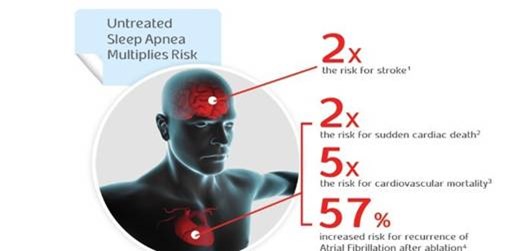
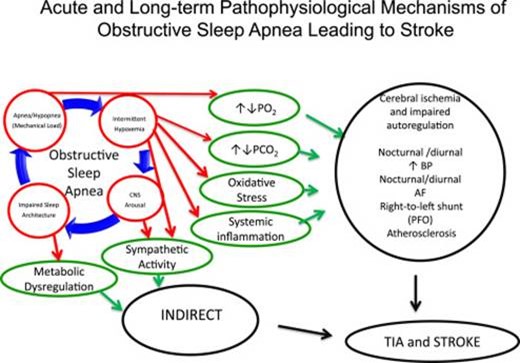
- Obstructive sleep apnea is an independent risk factor for stroke, and leaving it untreated increases the risk of a second event
- Nocturnal desaturation was actively worsening cerebral recovery and keeping BP refractory
- Waiting for a formal sleep study would have delayed treatment by days, and the patient could not afford that delay
- CPAP is a non-invasive, titratable therapy with no meaningful downside in a monitored ICU setting
- This decision-making approach reflects the clinical philosophy practiced by Dr. Guruprasad Hosurkar, neurologist in Bangalore, where time-critical interventions take priority over delayed protocols in acute settings.
DIAGNOSTIC BASIS
Before starting CPAP, the clinical case for severe OSA was built from what the ICU data was already showing. Altered sensorium in neurological patients can stem from many causes including stroke, sleep apnea, or conditions like autoimmune encephalitis, which makes systematic bedside assessment critical before acting. His blood pressure remained resistant to five antihypertensive medications, a known pattern in untreated OSA. The STOP-BANG questionnaire was used at the bedside, and his score of more than 5 placed him firmly in the high-probability OSA category. Formal polysomnography was not feasible in the acute setting, so the decision was made on clinical grounds and later confirmed after stabilisation.
DIAGNOSTIC BASIS
- Bedside clinical assessment and STOP-BANG scoring completed in the ICU
- Decision taken to start CPAP empirically without waiting for formal polysomnography
- CPAP machine set up at the bedside, interface fitted, and starting pressure titrated against clinical response
- Continuous SpO2, BP, and sleep-wake cycle monitoring maintained through the night
- Antihypertensive regimen reviewed alongside CPAP response, rather than adding further drugs
- Patient shifted out of the ICU once saturation stabilised and drowsiness cleared
- Physical and speech therapy restarted as soon as the sensorium was clear enough to cooperate
- Formal sleep study done after neurological stabilisation — confirmed severe OSA
- Long-term CPAP advised at discharge, with bariatric surgery planned once neurologically fit
TREATMENT FACTS
PRIMARY INTERVENTION | Empirical CPAP therapy for severe OSA in acute stroke care |
SCREENING TOOL | STOP-BANG questionnaire, score greater than 5 |
SETTING | ICU, KIMS Hospital, Mahadevapura, Bangalore |
SEDATION | None required |
TIME TO ICU STEP-DOWN | 2 days after starting CPAP |
INTRA-ICU COMPLICATIONS | None |
HOSPITAL STAY | 7 days total, including ICU and ward |
POST-DISCHARGE PLAN | Long-term home CPAP, BP monitoring, bariatric surgery once neurologically stable |
OUTCOMES AT A GLANCE
Neurological Status | Sensorium cleared, left-sided weakness improving with physiotherapy |
Sleep-Wake Cycle | Normalised within 48 hours of starting CPAP |
Oxygen Saturation at Night | Stabilised above 94 percent through the night |
Blood Pressure Control | Significant improvement with the same antihypertensive regimen |
ICU Discharge | Shifted to ward within 2 days of CPAP initiation |
Rehabilitation | Active physical and speech therapy resumed |
Hospital Discharge | Within 7 days of admission |
Complications | None reported |
PATIENT FEEDBACK
Google Review
★ ★ ★ ★ ★ 5.0
Verified Family Member (Name withheld for privacy)
“My brother was admitted with a stroke and things looked very difficult at first. The doctors noticed he was snoring badly and his oxygen was dropping at night. Dr. Guruprasad started the CPAP machine right in the ICU without waiting for a full sleep test. Within two days he was out of the ICU and talking to us. His blood pressure also came under control. We are grateful he caught the sleep problem early because it changed the whole recovery.”
Profile: Male | 35 years | Stroke patient | Bangalore
Condition Treated: Severe OSA in acute stroke care | KIMS Hospital, Bangalore | 2025
Neurologist: Dr. Guruprasad Hosurkar | KIMS Hospital, Mahadevapura
Note: Due to privacy regulations, we cannot display the patient’s name. This review has been shared with written consent from the family.
POST-DISCHARGE CARE & LONG-TERM MANAGEMENT
- Use the home CPAP machine every night, for the whole sleep duration, without skipping
- Keep a simple log of nightly CPAP use and report any mask discomfort at the follow-up visit
- Continue all prescribed antihypertensive medications and do not self-adjust doses
- Monitor blood pressure at home twice daily and maintain a written record
- Attend physiotherapy and speech therapy sessions as scheduled for post-stroke recovery
Report any new dizziness, balance issues, or spinning sensations during recovery, as these may need separate evaluation under vertigo treatment in Bangalore - Follow the dietician’s plan for weight reduction ahead of bariatric surgery
- Avoid alcohol and sedatives, which worsen obstructive sleep apnea
- Return immediately if drowsiness, new weakness, slurred speech, or severe headache develops
- Keep all scheduled follow-up visits with the neurology and sleep medicine team
RECOVERY TIMELINE
| Day 1 | Admission with stroke. Resistant BP noted. Drowsiness out of proportion. Nocturnal desaturation documented. |
| Day 2 | STOP-BANG completed. Score greater than 5. Empirical CPAP started in the ICU. |
| Day 3 to 4 | Sleep-wake cycle normalising. BP improving on the same medications. Patient shifted out of the ICU. |
| Day 5 to 7 | Active physical and speech therapy. Formal sleep study confirms severe OSA. Long-term CPAP advised. Discharge planned. |
| Week 2 to 4 | Home CPAP use reviewed. BP stable. Rehabilitation continues. Weight reduction plan started. |
| Month 2 to 3 | Neurological recovery progressing, with ongoing rehabilitation for left-sided weakness under movement disorders treatment protocols. Bariatric surgery evaluation once deemed fit. |
| Long-term | Continued CPAP use, BP monitoring, and stroke secondary prevention under neurology follow-up. |
DISCLAIMER: This case study is for informational purposes only and does not constitute medical