Guillain-Barré Syndrome Treatment|By Dr Guruprasad Hosurkar
Guillain-Barré Syndrome (GBS) is an acute, immune-mediated neurological disorder characterised by rapidly progressive muscle weakness and, in severe cases, respiratory compromise. Given its sudden onset and potential for life-threatening complications, timely diagnosis and structured medical intervention are critical to optimising patient outcomes. With advances in neurocritical care and immunotherapy, most patients can achieve significant recovery when managed appropriately.
In Bangalore, access to specialised neurological care enables a multidisciplinary approach to GBS management, encompassing early diagnosis, evidence-based treatment, intensive monitoring, and comprehensive rehabilitation. Under the expertise of Dr. Guruprasad Hosurkar, patients receive end-to-end care that spans acute hospital management to long-term neuro-rehabilitation, ensuring a structured and outcome-focused recovery pathway.
Why Choose Dr. Guruprasad Hosurkar for GBS Treatment in Bangalore?
As one of Bangalore’s most experienced neurologists in autoimmune nerve disorders, Dr. Guruprasad Hosurkar brings together clinical expertise and compassionate care for every GBS patient:
GBS-specific clinical expertise, extensive experience diagnosing and managing all GBS variants, including classic GBS, Miller Fisher Syndrome, and Pharyngeal-Cervical-Brachial variant
Personalised treatment plans, every protocol is tailored to disease severity, age, and recovery goals
ICU-level neurological support,24/7 critical care monitoring for patients with respiratory compromise
Advanced diagnostics, nerve conduction studies (NCS), CSF analysis, and MRI neuroimaging for accurate, rapid diagnosis
Multidisciplinary rehabilitation team, physiotherapists, respiratory therapists, speech therapists, and occupational therapists working in coordination
Schedule your consultation with a trusted GBS specialist in Bangalore today.
What is Guillain-Barré Syndrome?
Guillain-Barré Syndrome is a rare but serious autoimmune disorder in which the immune system mistakenly attacks the peripheral nervous system, the network of nerves connecting the brain and spinal cord to the rest of the body. This attack damages the myelin sheath (the protective covering of nerve fibres), disrupting normal nerve signal transmission and causing progressive muscle weakness or paralysis.
GBS most commonly follows a bacterial or viral infection (such as Campylobacter jejuni, cytomegalovirus, or COVID-19) by two to four weeks, triggering the misdirected immune response.
Symptoms of Guillain-Barré Syndrome
Recognising GBS symptoms early is critical; a faster diagnosis leads to faster treatment and better recovery outcomes. Symptoms begin in the feet and legs and ascend upward over days to weeks.
Early and Physical Symptoms
Tingling or ‘pins and needles’ sensation in hands and feet
Progressive muscle weakness starting in the legs and spreading upward
Loss of deep tendon reflexes (areflexia)
Pain in the lower back, buttocks, and thighs
Difficulty walking, climbing stairs, or rising from a seated position
Unsteady gait and balance problems
Severe and Emergency Warning Signs
Seek immediate medical attention at a hospital in Bangalore if you notice any of the following:
Difficulty breathing or shortness of breath
Weakness spreading to the face and neck muscles
Trouble swallowing, speaking, or chewing
Rapid paralysis progressing from the lower to the upper body
Dangerously high or low blood pressure and irregular heart rate (autonomic dysfunction)
Treatment Options for Guillain-Barré Syndrome in Bangalore
Dr. Guruprasad Hosurkar follows evidence-based, internationally accepted GBS treatment protocols. The treatment plan is personalized depending on disease severity, rate of progression, and patient age.
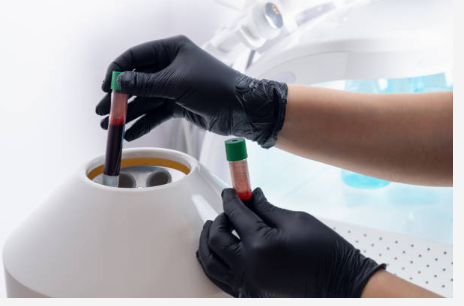
Plasmapheresis (Plasma Exchange)
For patients who cannot receive IVIG or require an alternative approach:
Blood plasma is filtered to remove the damaging antibodies responsible for nerve attack
Equally effective as IVIG when started within two weeks of symptom onset
Typically administered across 4–6 sessions over two weeks
Requires specialised ICU-level monitoring during the procedure
Supportive Care, ICU Monitoring & Rehabilitation
Beyond immunotherapy, comprehensive supportive care is essential:
Continuous cardiac and respiratory monitoring in the ICU for severe GBS
Ventilator support for patients with respiratory muscle involvement
Pain management for neuropathic pain and back pain
Early physiotherapy to preserve muscle function and prevent contractures
Occupational therapy to assist with activities of daily living during recovery
Speech therapy for patients with swallowing and communication difficulties
How Dr. Guruprasad Hosurkar's Approach Helps GBS Recovery
Rapid Diagnosis: Early diagnosis focus, rapid nerve conduction studies and CSF testing to confirm GBS within hours of admission, enabling treatment to begin without delay
Integrated Acute Care: Acute and step-down neurological care, seamless transition from ICU-level care to the neuro ward as the patient stabilises
Full Rehab Programme: Holistic neuro-rehabilitation, structured physiotherapy, respiratory therapy, and functional recovery programme tailored to each patient
Evidence-Based: Every treatment decision is grounded in current international GBS management guidelines (EGOS, GBS Foundation)
Family Support: Patient and family education, clear guidance on what to expect at each recovery stage, reducing anxiety and improving adherence to the rehab plan
Ready to speak with a GBS specialist in Bangalore? Book your appointment today
Guillain-Barre Syndrome Recovery & Prognosis
Most patients who receive timely GBS treatment in Bangalore go on to make a strong recovery, and the data behind that statement is genuinely reassuring
Most patients begin showing neurological improvement within 2-4 weeks of starting IVIG or plasmapheresis
Approximately 80% of patients regain the ability to walk independently within 6 months
Around 60% achieve near-complete recovery of muscle strength within 12 months
Early initiation of physiotherapy significantly accelerates nerve regeneration and functional return
Long-term follow-up with Dr. Hosurkar ensures any residual weakness or fatigue is monitored and managed
Recovery from GBS is a gradual process. Nerves regenerate slowly, but with the right neurological team in Bangalore, the journey forward is one of consistent, measurable progress.
Cost of Guillain-Barre Syndrome Treatment in Bangalore
The overall cost of managing Guillain-Barré Syndrome (GBS) varies considerably based on several clinical and logistical factors:
Disease Severity and Duration of Hospitalisation:Patients with mild GBS who require only ward-based care incur significantly lower costs compared to those with severe disease necessitating prolonged intensive care unit (ICU) admission.
Treatment Modality:Both intravenous immunoglobulin (IVIG) therapy and plasmapheresis are established and effective treatment options. However, the overall cost differs depending on the selected modality and the number of treatment sessions required.
Ventilatory and ICU Support:In cases involving respiratory compromise, the need for mechanical ventilation and advanced ICU care substantially increases the total treatment cost.
Rehabilitation Requirements:Post-acute care often involves comprehensive rehabilitation, including physiotherapy, occupational therapy, and speech therapy. The duration and intensity of these interventions directly influence overall expenses.
Insurance Coverage:Most health insurance policies in India provide coverage for acute hospitalisation related to GBS. Assistance with documentation and claims processing is typically offered to facilitate a smooth reimbursement process.
A detailed and transparent estimate of treatment costs is generally provided during the initial consultation, allowing patients and their families to plan appropriately for the course of care.
If you’re seeking expert guidance and personalised care for Guillain-Barré Syndrome, reach out today to discuss your treatment options and take the first step toward recovery.
FAQs
Is Guillain-Barré Syndrome curable?
Yes. Guillain-Barré Syndrome is treatable, and most patients recover significantly with early diagnosis, IVIG or plasmapheresis, and expert neurological care in Bangalore.
How long does Guillain-Barré Syndrome recovery take?
Recovery ranges from 4–8 weeks in mild cases to 6–18 months in severe cases, depending on nerve damage and rehabilitation.
What is the fastest way to recover from Guillain-Barré Syndrome?
Early treatment with IVIG or plasmapheresis, followed by consistent physiotherapy and neurological monitoring, offers the fastest recovery outcomes.
What is the difference between IVIG and plasmapheresis for Guillain-Barré Syndrome?
IVIG blocks harmful antibodies, while plasmapheresis removes them from the blood. Both are equally effective when started early.
Can Guillain-Barré Syndrome come back?
Recurrence is rare (2–5%), but follow-up care is essential to monitor for relapse or related nerve disorders.
Can you live a normal life after Guillain-Barré Syndrome?
Yes. Most patients regain independence and return to normal life with proper rehabilitation and follow-up care.
With the right treatment and rehabilitation, recovery from Guillain-Barré Syndrome is highly achievable. Book your consultation now.