
Autoimmune Encephalitis Treatment in Bangalore
Autoimmune encephalitis is a serious neurological condition where the immune system mistakenly attacks healthy brain cells, causing inflammation that can lead to severe cognitive, behavioral, and neurological symptoms. Early diagnosis and prompt treatment are critical to preventing permanent brain damage and ensuring the best possible recovery outcomes.
Dr. Guruprasad Hosurkar specializes in diagnosing and treating autoimmune encephalitis in Bangalore, offering comprehensive care that combines advanced immunotherapy protocols with personalized rehabilitation support.
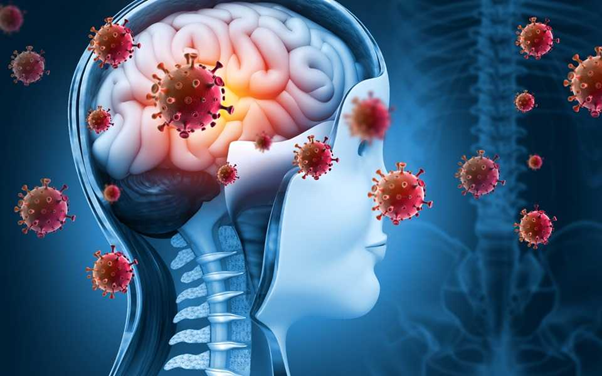
Early Symptoms That Need Immediate Neurological Evaluation
Neurological and Cognitive Symptoms:
- Sudden memory loss or confusion
- Difficulty speaking or understanding language
- Seizures (often the first noticeable symptom)
- Involuntary movements or tremors
- Severe headaches with no clear cause
Behavioral and Psychiatric Changes:
- Sudden personality changes
- Hallucinations or delusions
- Severe anxiety or paranoia
- Aggressive or unusual behavior
- Sleep disturbances
Physical Symptoms:
- Decreased level of consciousness
- Balance problems or difficulty walking
- Facial or limb weakness
- Autonomic dysfunction (blood pressure, heart rate irregularities)
Why Choose Dr. Guruprasad Hosurkar for Autoimmune Encephalitis Treatment in Bangalore
Specialized Expertise in Autoimmune Disorders Extensive experience in diagnosing and managing complex autoimmune neurological conditions with advanced testing protocols.
Comprehensive Treatment Under One Roof From acute immunotherapy to rehabilitation, complete care without coordinating between multiple specialists.
Advanced Diagnostic Technology State-of-the-art neuroimaging, EEG monitoring, and antibody testing for accurate diagnosis.
FDG-PET Scan Fluorodeoxyglucose PET imaging to identify metabolic abnormalities in the brain and detect occult malignancies that may be driving the autoimmune process.
Paraneoplastic Workup Comprehensive screening to rule out underlying malignancies, as autoimmune encephalitis can be a paraneoplastic manifestation in a subset of patients.
Multidisciplinary Approach Integrated care team including intensivists, psychiatrists, and rehabilitation specialists.
Proven Recovery Outcomes Evidence-based treatment protocols with demonstrated success in patient recovery and functional independence.
Personalized Treatment Plan for Autoimmune Encephalitis
Every patient’s condition is unique, requiring a customized approach. After thorough diagnostic evaluation, we develop a treatment strategy tailored to your specific antibody type, symptom severity, and overall health status.
High-Dose Steroid Therapy
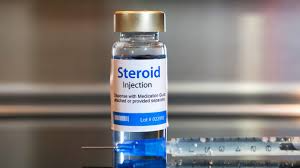
5-7 days of IV steroid administration
Regular assessment of symptom improvement
Intravenous Immunoglobulin (IVIG)
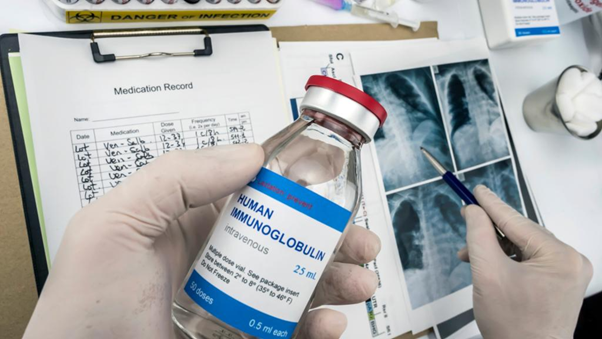
Patients have contraindications to steroids
Plasmapheresis
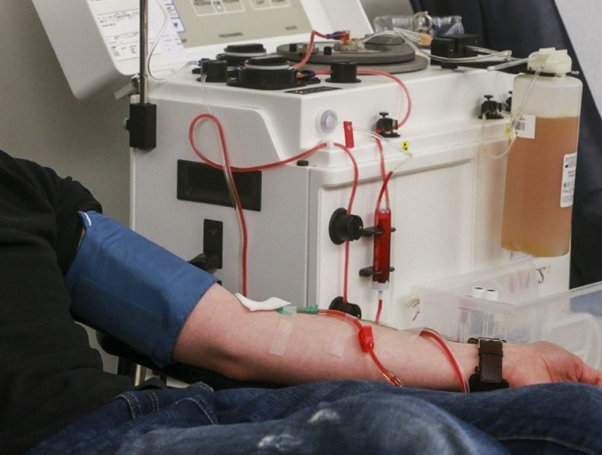
Second-Line Immunotherapy Options
Rituximab: Targets B-cells responsible for antibody production
Cyclophosphamide: Powerful immunosuppressant for refractory cases
Mycophenolate or Azathioprine: Long-term maintenance therapy
Intensive Care and Seizure Management
Critical Neurological Monitoring Continuous EEG monitoring to detect and manage seizures, many of which may be subclinical (not visible externally).
Seizure Control Aggressive antiepileptic medication management using protocols specifically designed for autoimmune-related seizures, which often respond differently than typical epilepsy.
Supportive Care Ventilatory support, nutritional management, and prevention of complications like infections or blood clots during the acute phase.
Autonomic Stabilization Management of blood pressure fluctuations, heart rate abnormalities, and temperature regulation issues common in severe cases.
Long-Term Recovery, Rehabilitation & Cognitive Support
Cognitive Rehabilitation Specialized therapy to address memory problems, attention deficits, and executive function issues that commonly persist after acute treatment.
Physical Therapy Restoring strength, coordination, and mobility affected by prolonged illness and neurological damage.
Speech and Language Therapy Addressing communication difficulties, word-finding problems, and language comprehension issues.
Occupational Therapy Helping patients regain independence in daily activities and return to work or school.
Psychiatric Support Managing anxiety, depression, or behavioral changes that may persist during recovery, distinguishing between ongoing brain inflammation and secondary psychological effects.
Regular Monitoring Scheduled follow-ups to assess for relapse, adjust medications, and ensure continued improvement through serial neurological examinations and imaging.
Long-Term Immunomodulation Suitable long-term immunomodulatory therapy administered under specialist supervision with regular follow-ups to prevent relapse and sustain remission.
Autoimmune Encephalitis Treatment Cost in Bangalore
Disease Severity: Mild cases requiring only outpatient steroid therapy cost substantially less than severe cases needing ICU admission, plasmapheresis, and second-line immunotherapy.
Treatment Duration: Acute hospitalisation costs differ from long-term immunotherapy and rehabilitation expenses.
Medications Used: First-line treatments like steroids are more affordable than second-line options like Rituximab or Cyclophosphamide.
Hospital Facilities: ICU care, continuous EEG monitoring, and advanced neuroimaging contribute to overall costs.
Rehabilitation Needs: Long-term cognitive therapy and rehabilitation add to the total investment in recovery.
Contact us today for a detailed consultation and personalised treatment plan for autoimmune encephalitis treatment in Bangalore.
FAQs
Can autoimmune encephalitis be fully cured?
How is autoimmune encephalitis diagnosed?
Can it relapseafter treatment?
How longdoes recovery take?
Is it always linked to cancer?
Disclaimer: The information shared in this content is for educational purposes and not for promotional use.